Heated tubing on CPAP: what the evidence actually supports

Heated tubing on CPAP: what the evidence actually supports

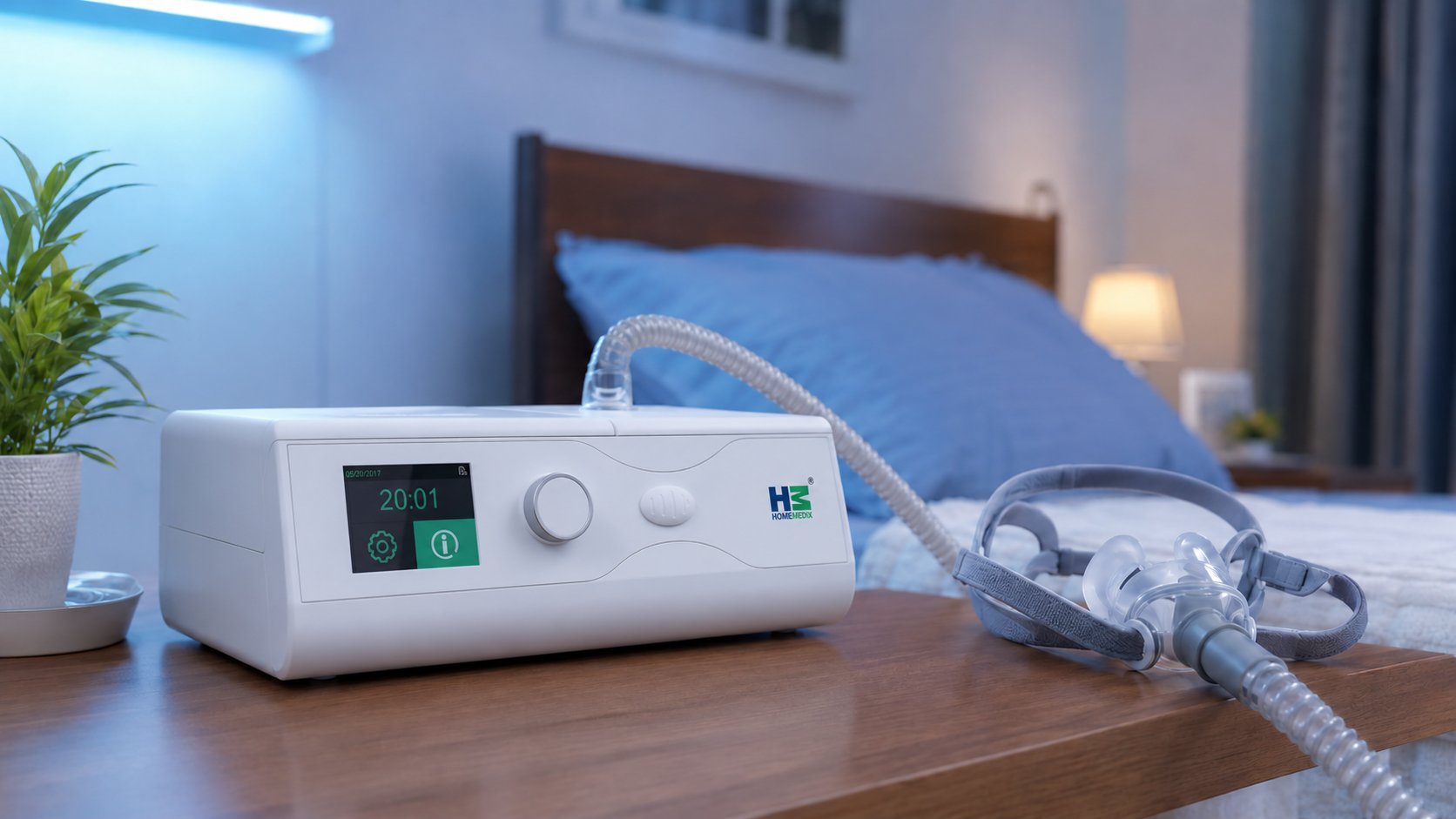
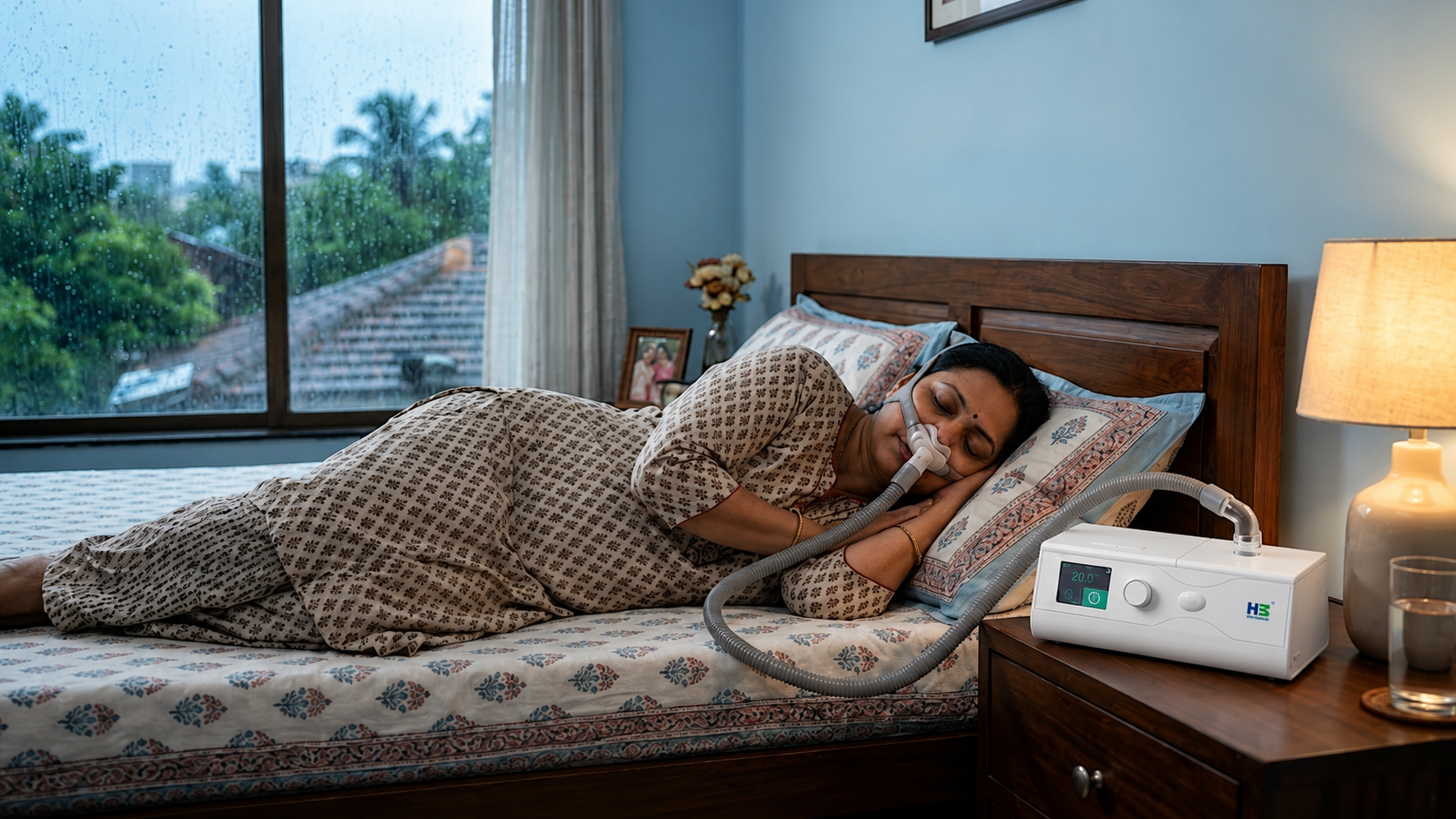
heated CPAP tubing is the most common upsell at the point of CPAP purchase, and it is one of the few accessories where the cost-benefit calculation genuinely depends on where the patient sleeps, not just on what the patient spends. Roughly ₹3,000–8,000 separates a standard hose from the matched heated-tube option across ResMed ClimateLine, Philips Heated Tube
CPAP leak types — intentional, mask leak, mouth leak, and how to diagnose each

CPAP leak types — intentional, mask leak, mouth leak, and how to diagnose each

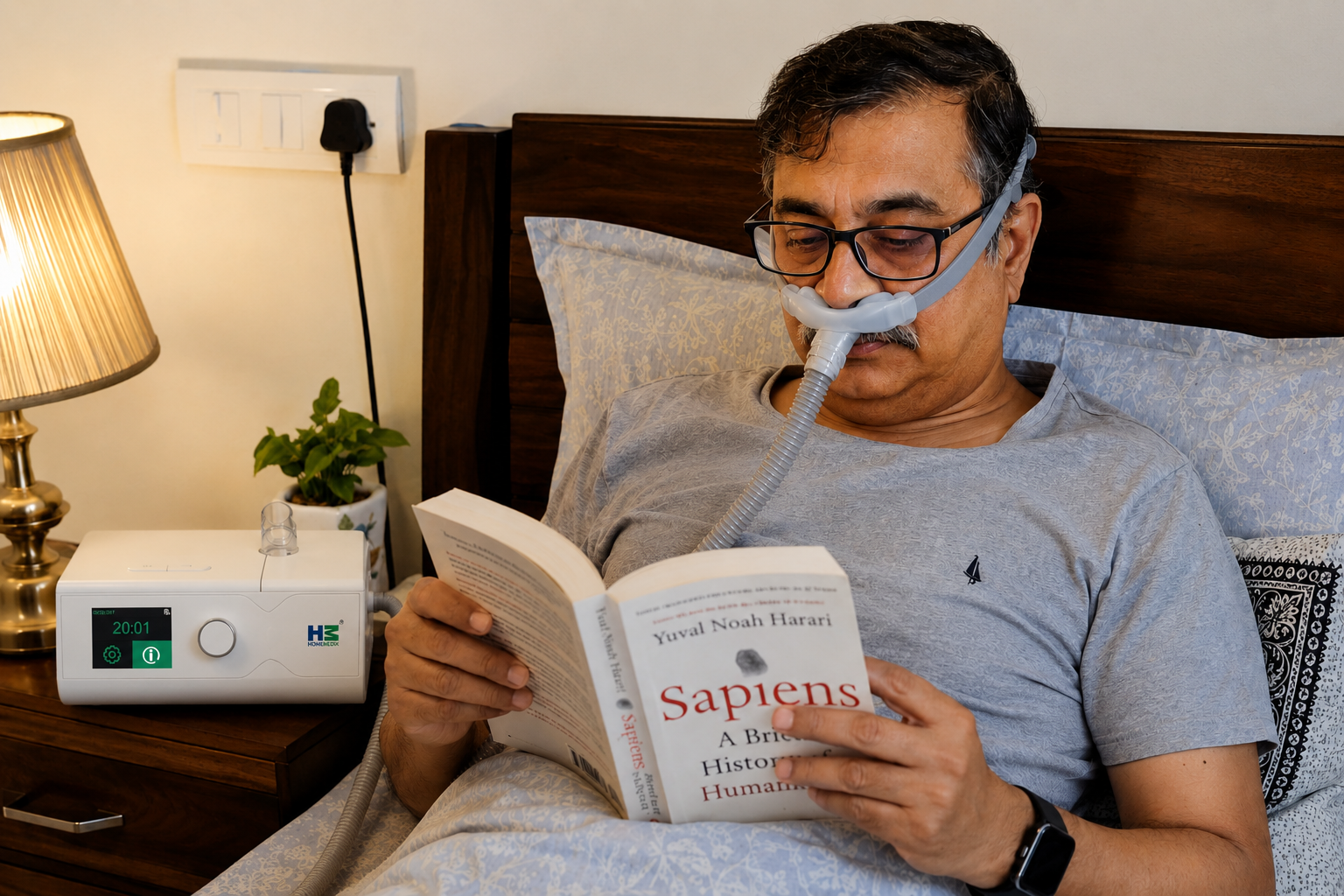
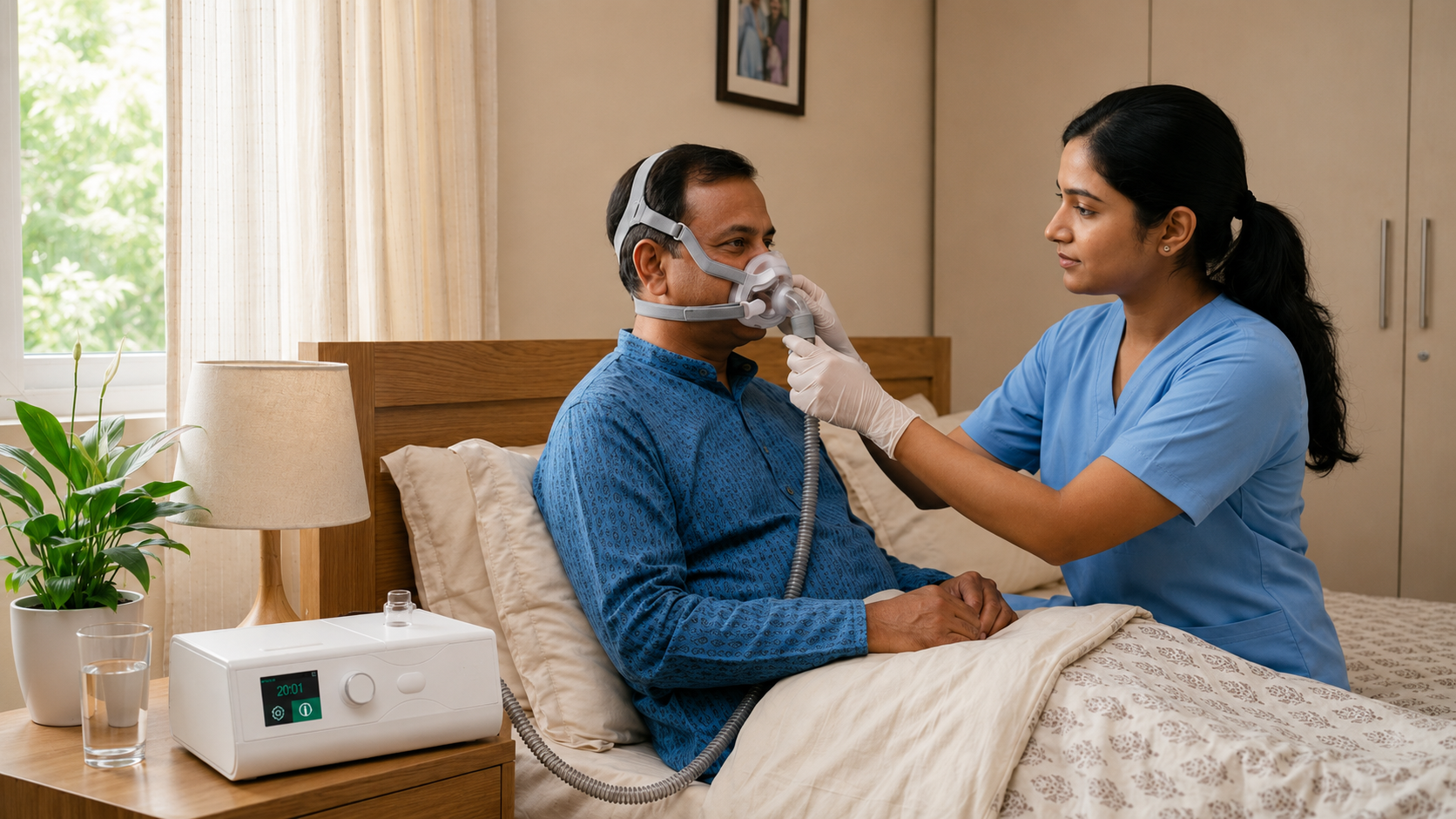
“Leak” is printed on the CPAP report in red if it crosses a threshold and in a calm colour if it doesn’t. What the report doesn’t tell the patient — or the dealer who just handed over the machine — is that the number is a composite of three very different phenomena, CPAP leak types and

EPR, C-Flex, A-Flex, Bi-Flex — exhalation pressure relief explained

EPR, C-Flex, A-Flex, Bi-Flex — exhalation pressure relief explained

At  homemedix , patient who cannot tolerate a CPAP exhalation pressure relief at 12 cmH₂O often tolerates the same prescription with pressure relief during exhalation — the machine drops the pressure by 1–3 cmH₂O for the expiratory phase, letting the patient breathe out against a lower pressure before the next inspiration reinstates the full prescribed value. This feature, under various

CPAP compliance evidence: what the data shows about who sticks with therapy

CPAP compliance evidence: what the data shows about who sticks with therapy

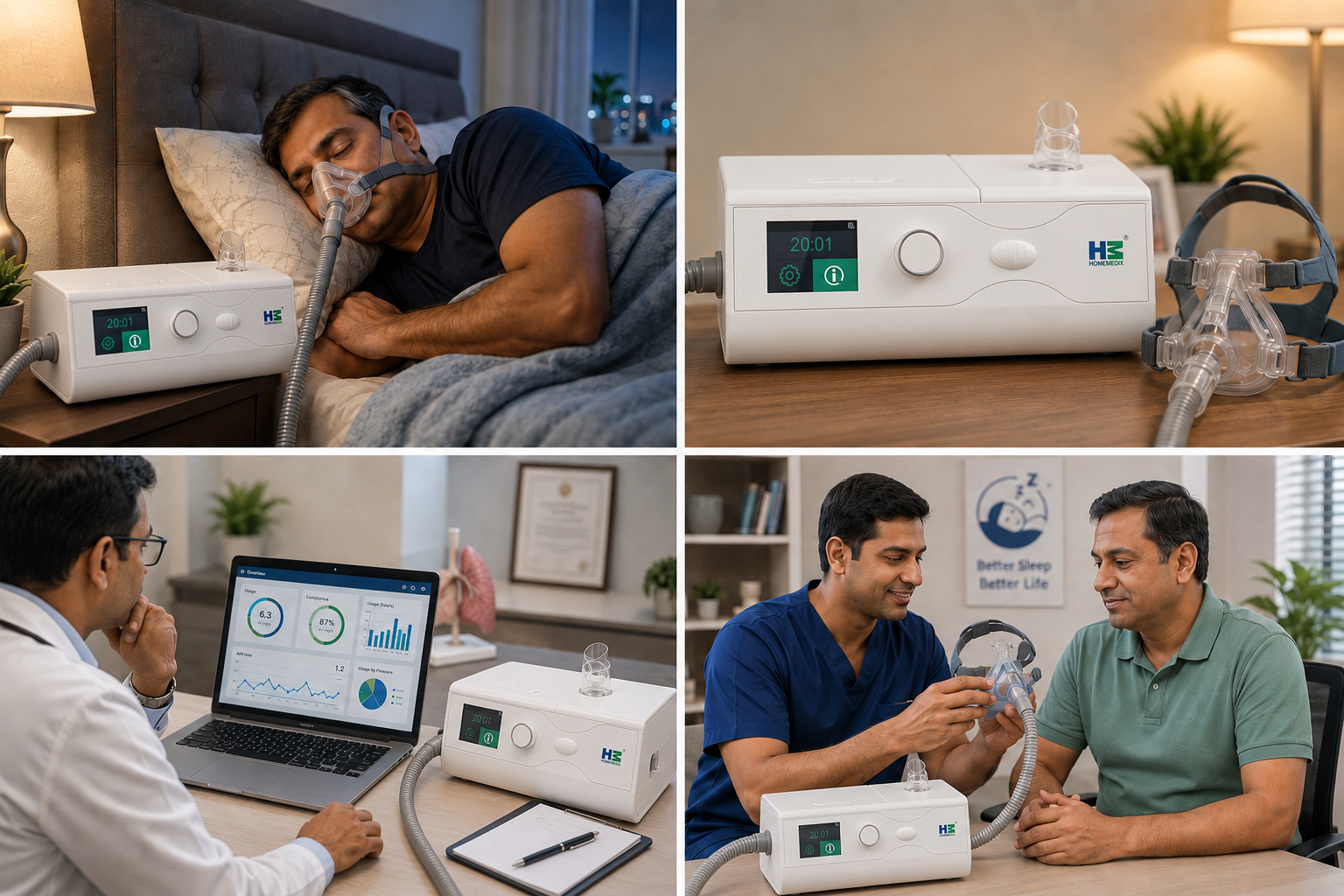
 A CPAP prescription written is not a CPAP therapy delivered. Between the prescription and the clinical benefit sits a long, thin corridor called adherence, and the published data on how many patients successfully walk through that corridor is sobering. This article summarises the compliance evidence base — how the 4 hours per night, 70% of

CPAP adherence: the 4-hour threshold, what drives it, and Indian reality

CPAP adherence: the 4-hour threshold, what drives it, and Indian reality

Every CPAP user eventually encounters the number: 4 hours a night, on at least 70% of nights, over a rolling 30-day window. That is the compliance threshold used by insurance schemes internationally, by sleep-medicine quality registries, and — where follow-up happens at all — by clinicians assessing whether to continue, modify, or discontinue CPAP therapy.