CPAP leak types — intentional, mask leak, mouth leak, and how to diagnose each

CPAP leak types — intentional, mask leak, mouth leak, and how to diagnose each

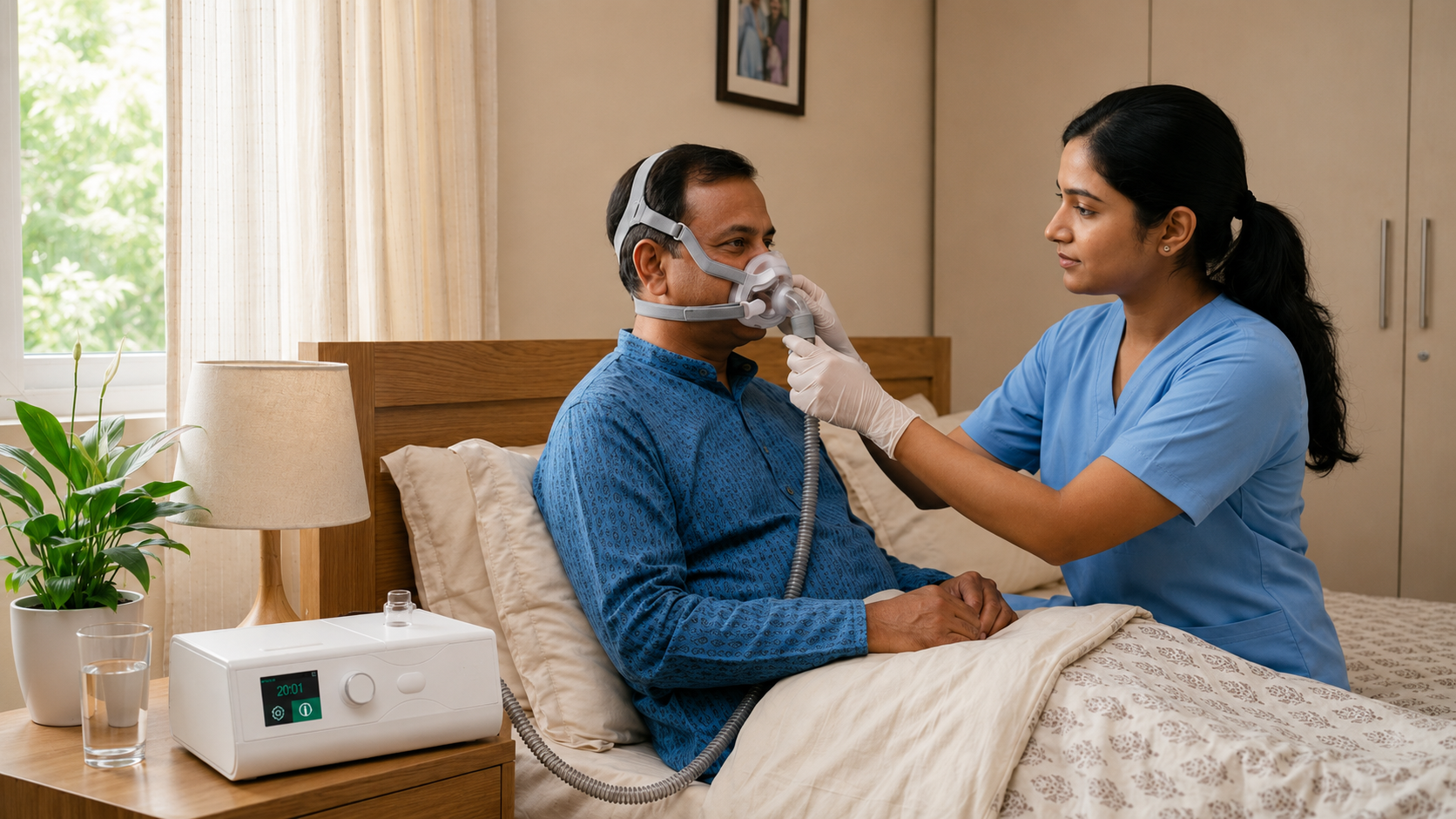
“Leak” is printed on the CPAP report in red if it crosses a threshold and in a calm colour if it doesn’t. What the report doesn’t tell the patient — or the dealer who just handed over the machine — is that the number is a composite of three very different phenomena, CPAP leak types and

CPAP side effects and management: aerophagia, dry mouth, leaks, and claustrophobia

CPAP side effects and management: aerophagia, dry mouth, leaks, and claustrophobia

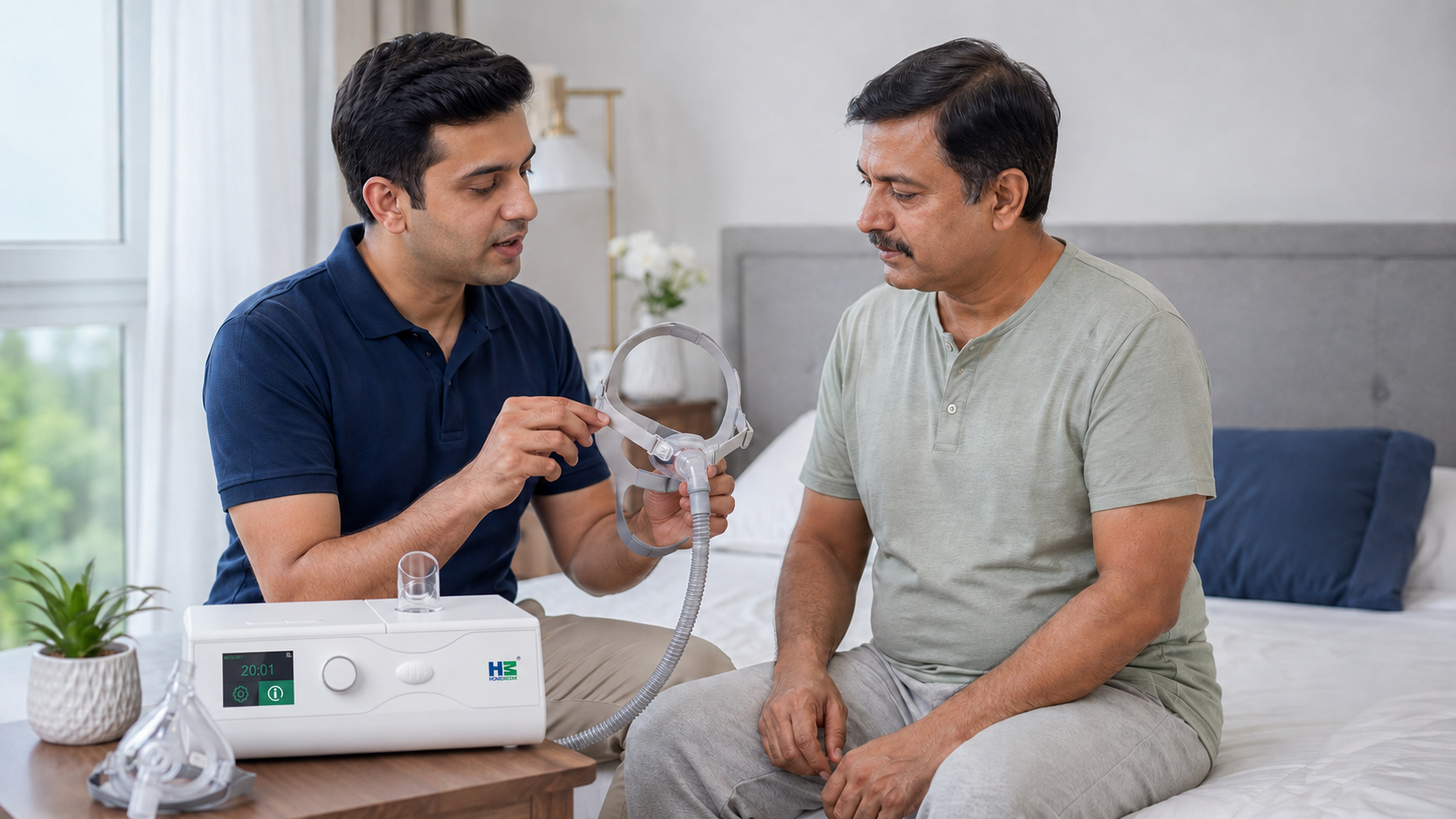
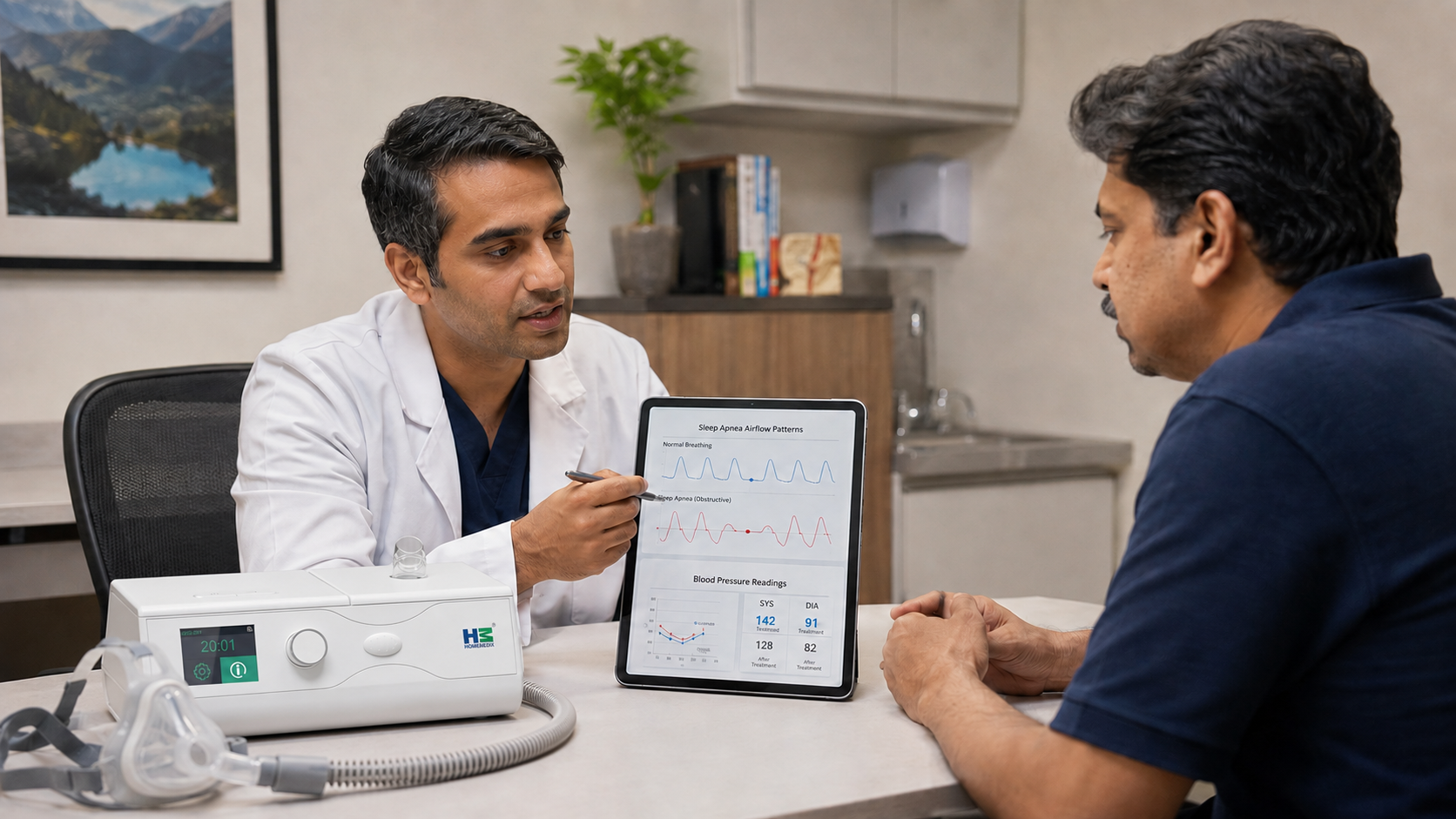
CPAP therapy is well-tolerated for most patients after a 2–4 week acclimation period, but a substantial minority CPAP side effects encounter side effects that, if not resolved, become adherence failures. Almost every side effect has a standard clinical solution, and the solutions are not obscure — they involve pressure adjustment, mask swap, humidification tuning, or graduated desensitisation.

CPAP for stroke recovery patients: evidence and initiation

CPAP for stroke recovery patients: evidence and initiation

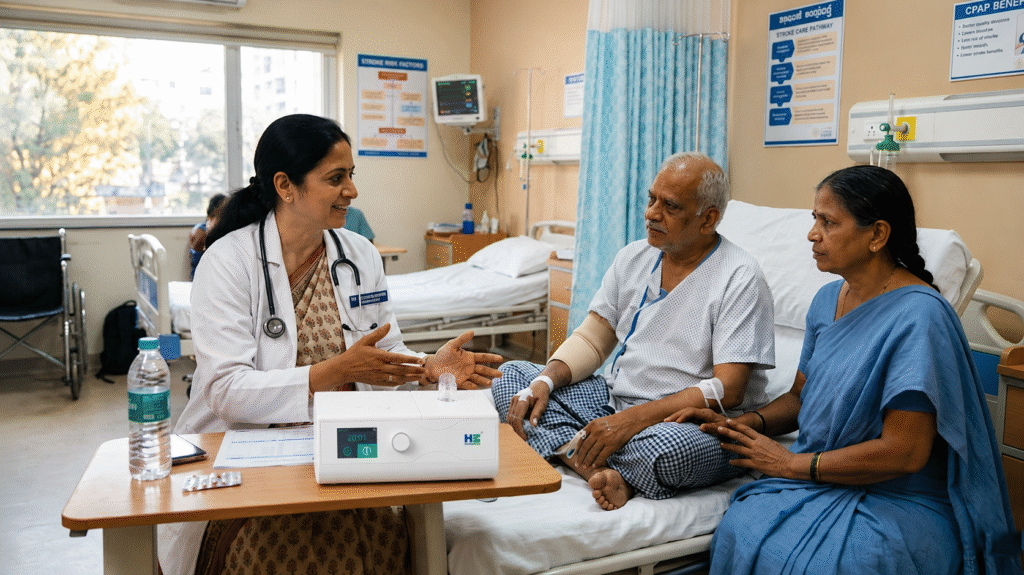
Stroke and sleep apnea have a two-way relationship that clinicians have understood for two decades but Indian practice is still catching up to. Untreated obstructive CPAP for stroke recovery patients sleep apnea is an independent risk factor for ischaemic stroke, and stroke itself — particularly when it affects the brainstem, insular cortex, or upper airway motor control

CPAP adherence: the 4-hour threshold, what drives it, and Indian reality

CPAP adherence: the 4-hour threshold, what drives it, and Indian reality

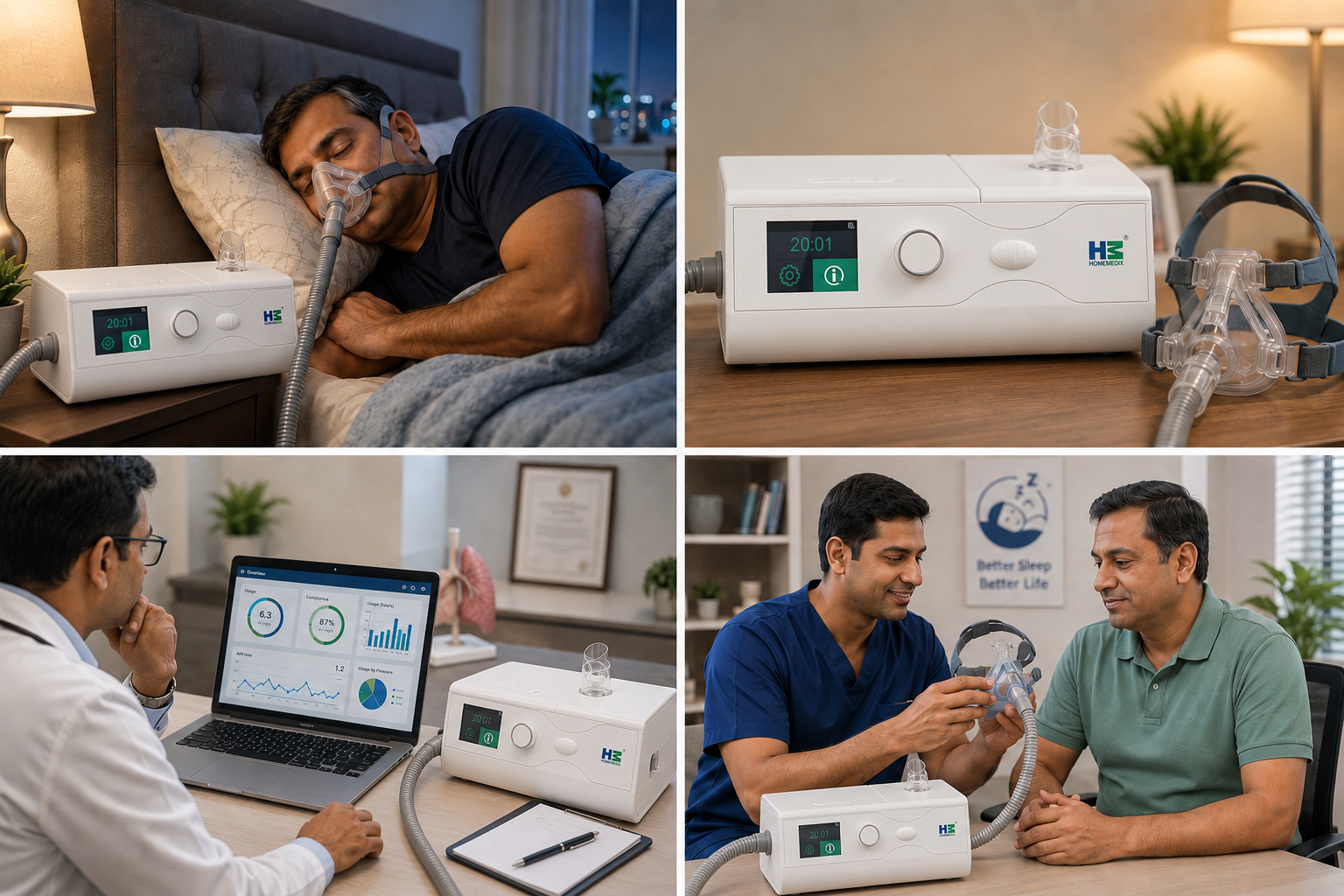
Every CPAP user eventually encounters the number: 4 hours a night, on at least 70% of nights, over a rolling 30-day window. That is the compliance threshold used by insurance schemes internationally, by sleep-medicine quality registries, and — where follow-up happens at all — by clinicians assessing whether to continue, modify, or discontinue CPAP therapy.

Counterfeit oxygen concentrators in India: how to spot them before you buy

Counterfeit oxygen concentrators in India: how to spot them before you buy

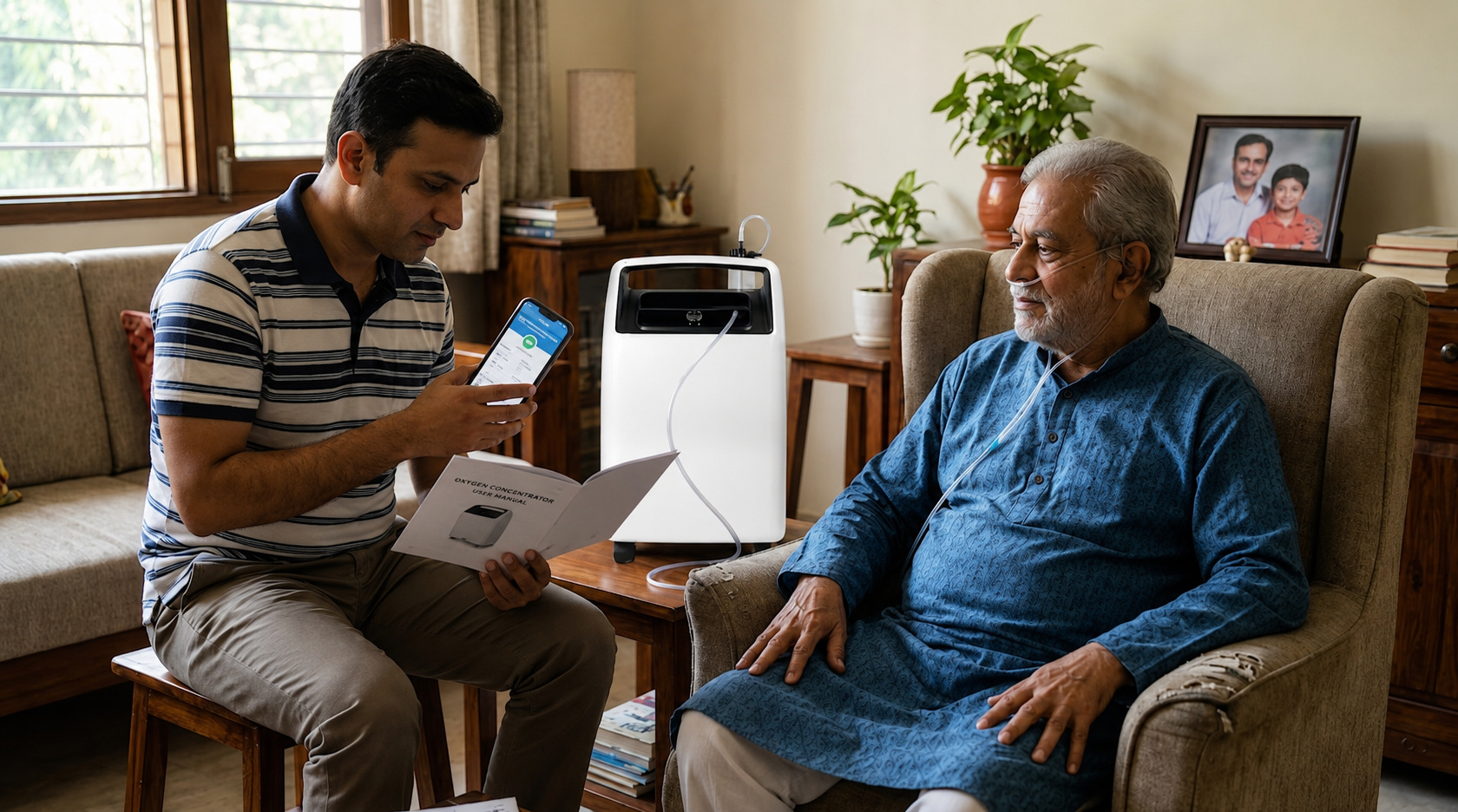
counterfeit oxygen concentrators in India.The 2021 COVID-19 crisis flooded India with oxygen concentrators. Demand during April–June 2021 outstripped the licensed supply chain by an order of magnitude. The gap was filled by imports through non-standard channels, bulk-buying from unaudited Chinese OEMs, and a visible counterfeit segment that put “branded” stickers on unbranded units and pushed

APAP algorithms compared — ResMed AutoSet, Philips Auto, BMC Auto, DreamStation, AirSense

APAP algorithms compared — ResMed AutoSet, Philips Auto, BMC Auto, DreamStation, AirSense

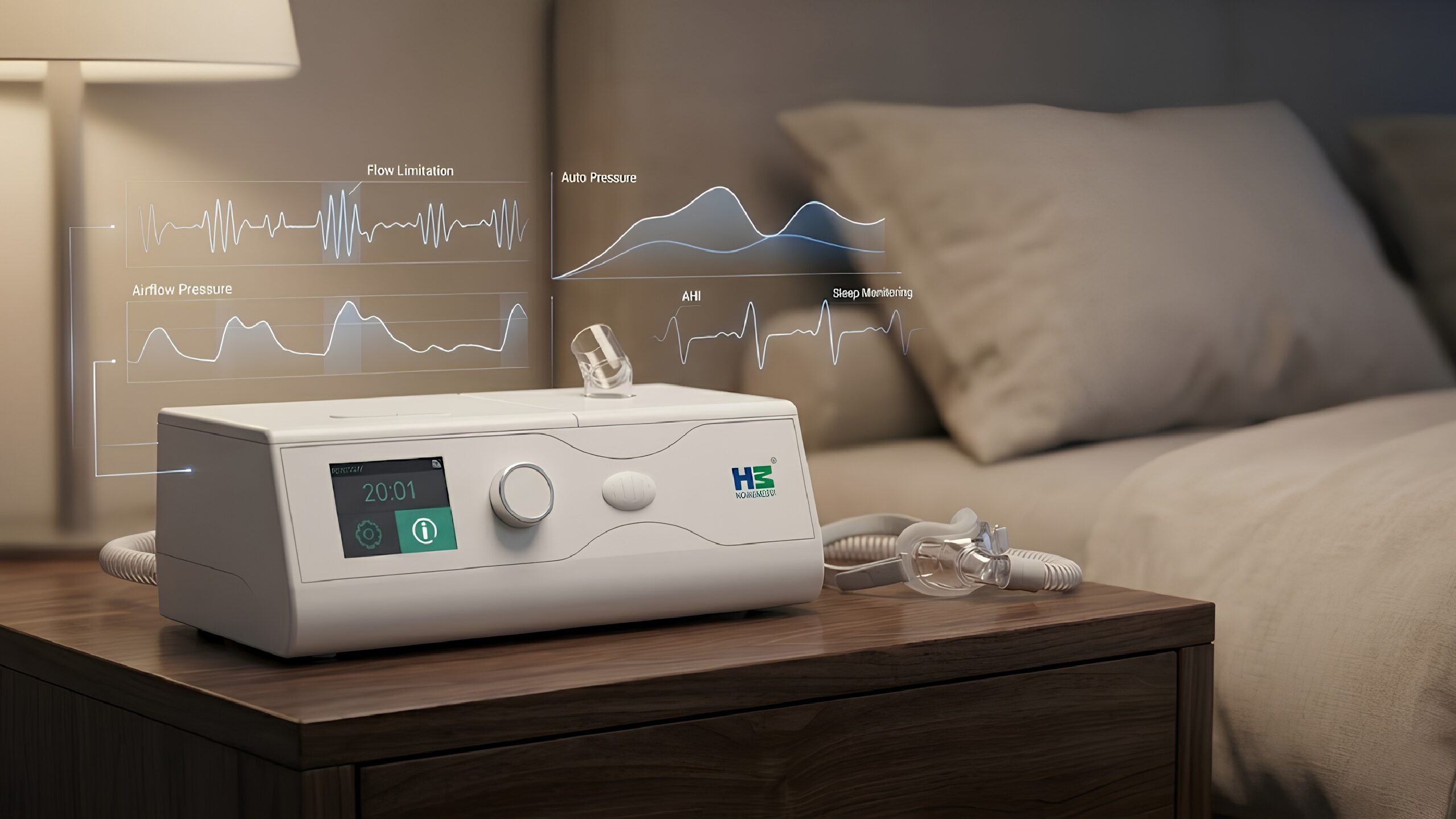
An auto-titrating CPAP delivers pressure that varies breath-by-breath within a prescribed range, guided by the device’s detection of flow limitation, snoring, and apnea events. The same patient on the same night, running two different APAPs within the same pressure range, will experience different average pressure, different 95th-percentile pressure, different residual AHI, and different flow-limitation control.