Supplemental Oxygen Therapy: Uses, Devices and Safety

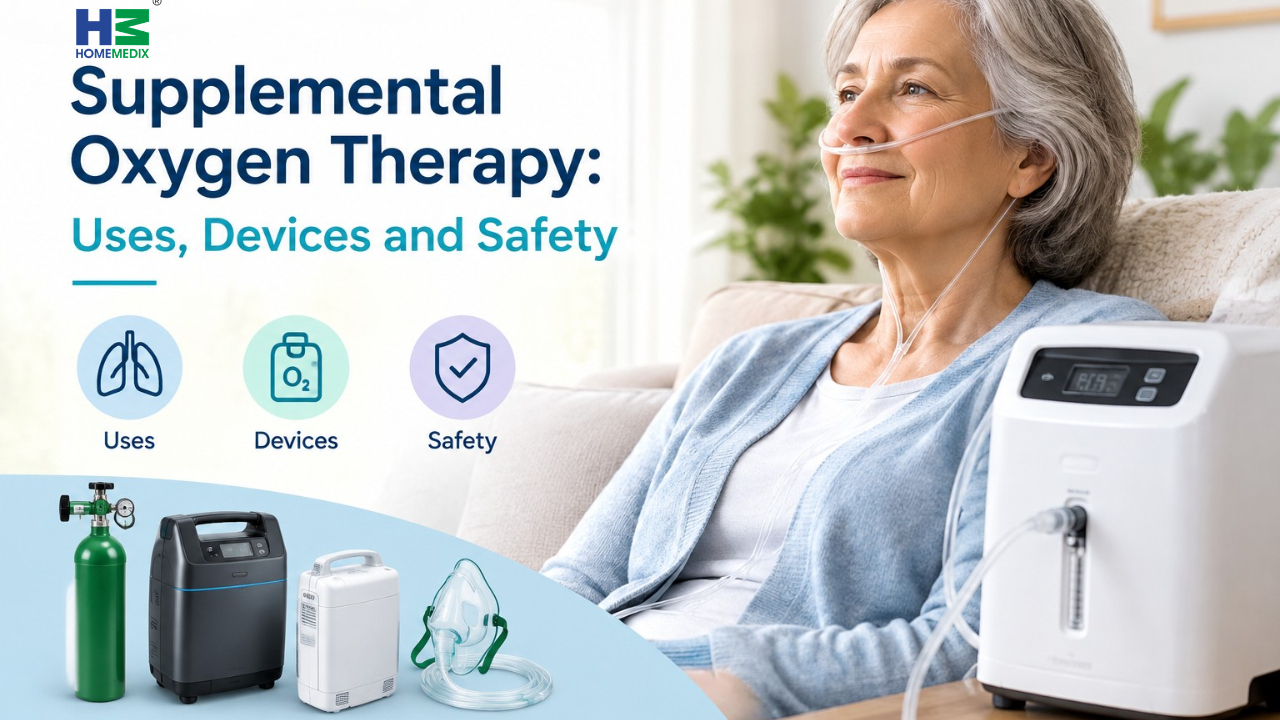
Supplemental Oxygen Therapy: Uses, Devices and Safety

When your body does not receive enough oxygen, even simple daily activities can become challenging. Oxygen Therapy is a medically prescribed treatment that provides supplemental oxygen to people with low blood oxygen levels, helping support normal body function and improving quality of life when clinically appropriate. Whether you are a patient, caregiver, or family member
How PSA oxygen concentration actually works: a technical walkthrough

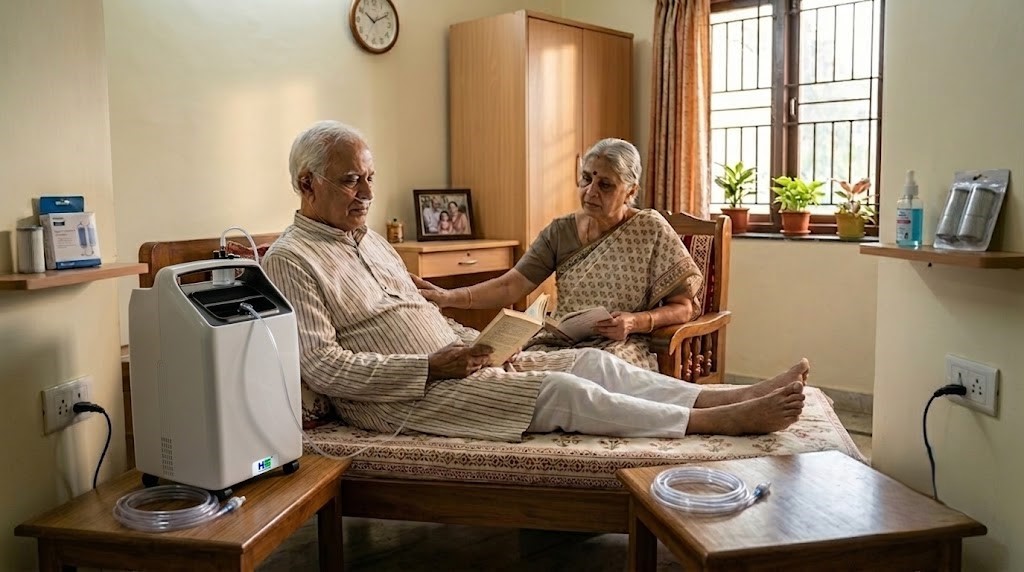
How PSA oxygen concentration actually works: a technical walkthrough

An PSA oxygen concentrator is not a refinery. It does not manufacture oxygen from other elements and it does not store gas from a prior fill. It separates the oxygen already present in room air from the much larger volume of nitrogen, argon, carbon dioxide, and water vapour that surrounds it. The mechanism — pressure swing

CPAP and PAP therapy in heart failure: what to use and what to avoid

CPAP and PAP therapy in heart failure: what to use and what to avoid

Roughly half of HFrEF patients, screened by polysomnography, have clinically significant sleep-disordered breathing. The phenotype is usually mixed: Heart failure and sleep-disordered breathing share a bidirectional relationship with meaningful prescribing consequences. A patient with heart failure with reduced ejection fraction (HFrEF, LVEF ≤ 45%) is likely to CPAP therapy for heart failure exhibit some combination

BiPAP-ST mode and indications: when a backup rate is essential

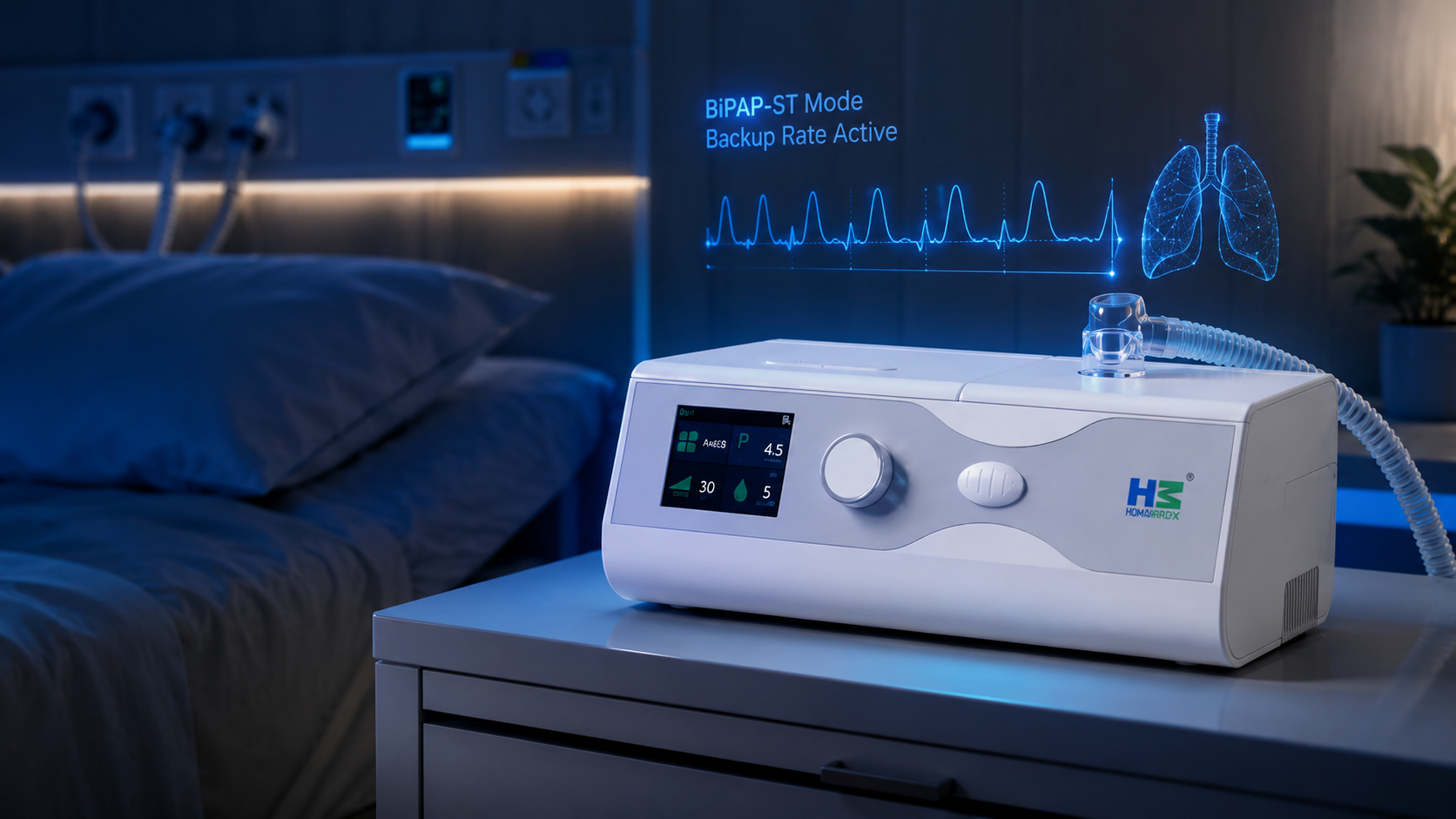
BiPAP-ST mode and indications: when a backup rate is essential

Most bilevel positive-pressure therapy sold in India is BiPAP-S — the spontaneous mode, where the machine follows the patient’s breath trigger. Each IPAP begins when the patient starts to inhale; each EPAP begins when the patient exhales. When the patient stops breathing, the machine waits. For obstructive sleep apnea patients with intact respiratory drive, that

APAP algorithms compared — ResMed AutoSet, Philips Auto, BMC Auto, DreamStation, AirSense

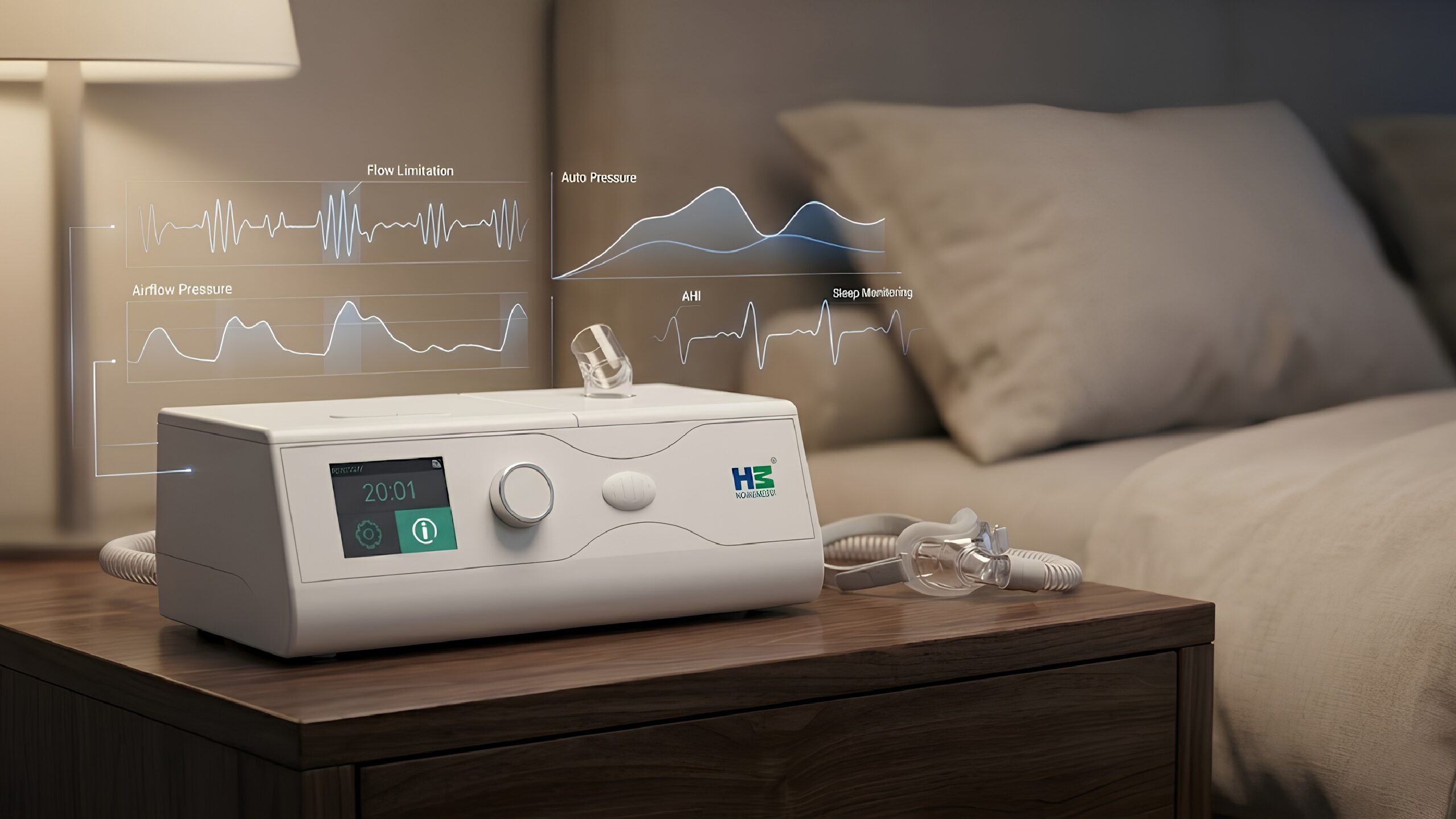
APAP algorithms compared — ResMed AutoSet, Philips Auto, BMC Auto, DreamStation, AirSense

An auto-titrating CPAP delivers pressure that varies breath-by-breath within a prescribed range, guided by the device’s detection of flow limitation, snoring, and apnea events. The same patient on the same night, running two different APAPs within the same pressure range, will experience different average pressure, different 95th-percentile pressure, different residual AHI, and different flow-limitation control.