How to Choose a Medical Equipment Supplier in India

Choosing the right medical equipment supplier in India is an important decision for hospitals, clinics, nursing facilities, healthcare organisations and home-care users. Medical equipment can directly support diagnosis, monitoring, treatment, mobility, respiratory care and patient comfort, so purchasing decisions should be based on more than price alone. A reliable supplier should provide suitable products, clear
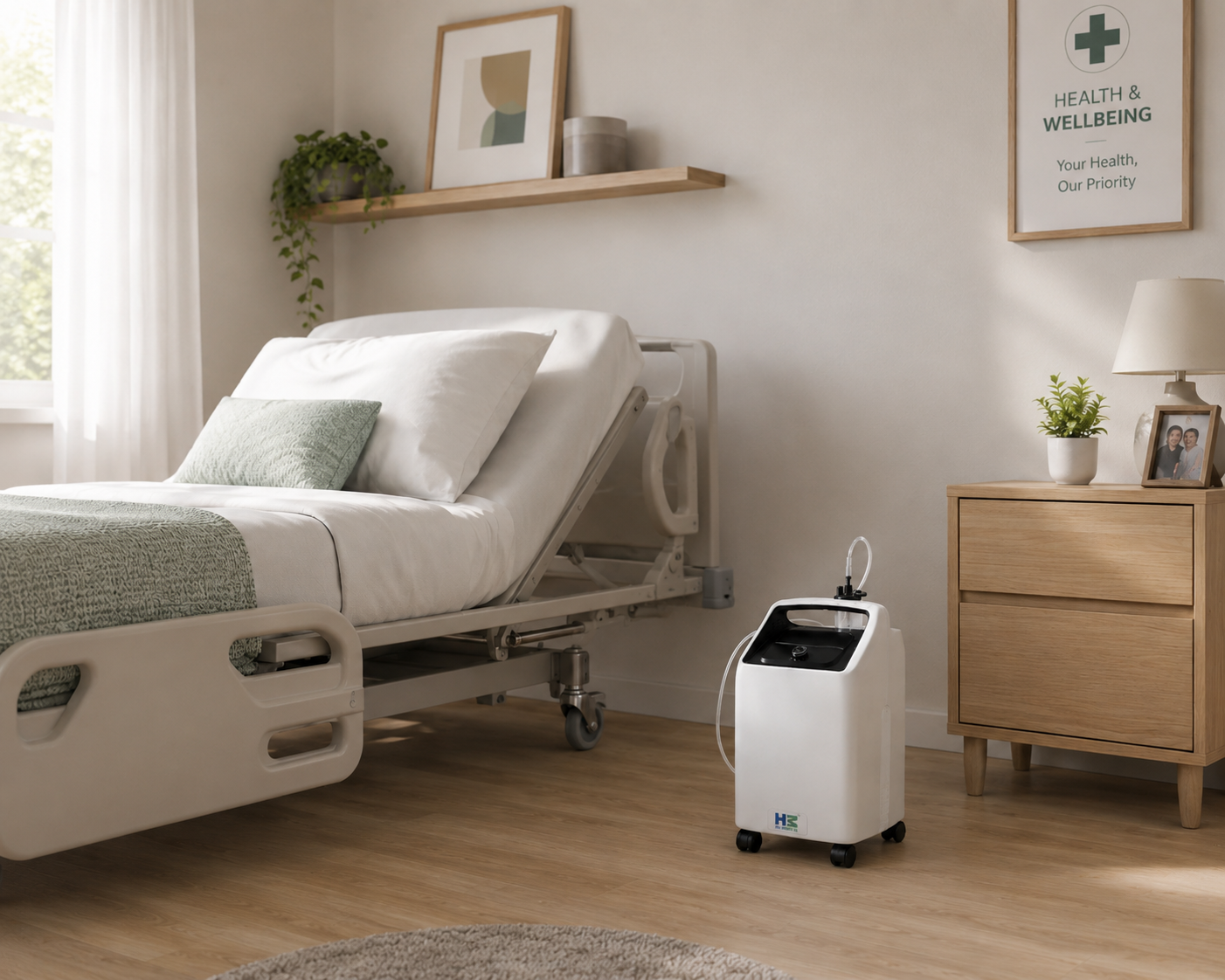
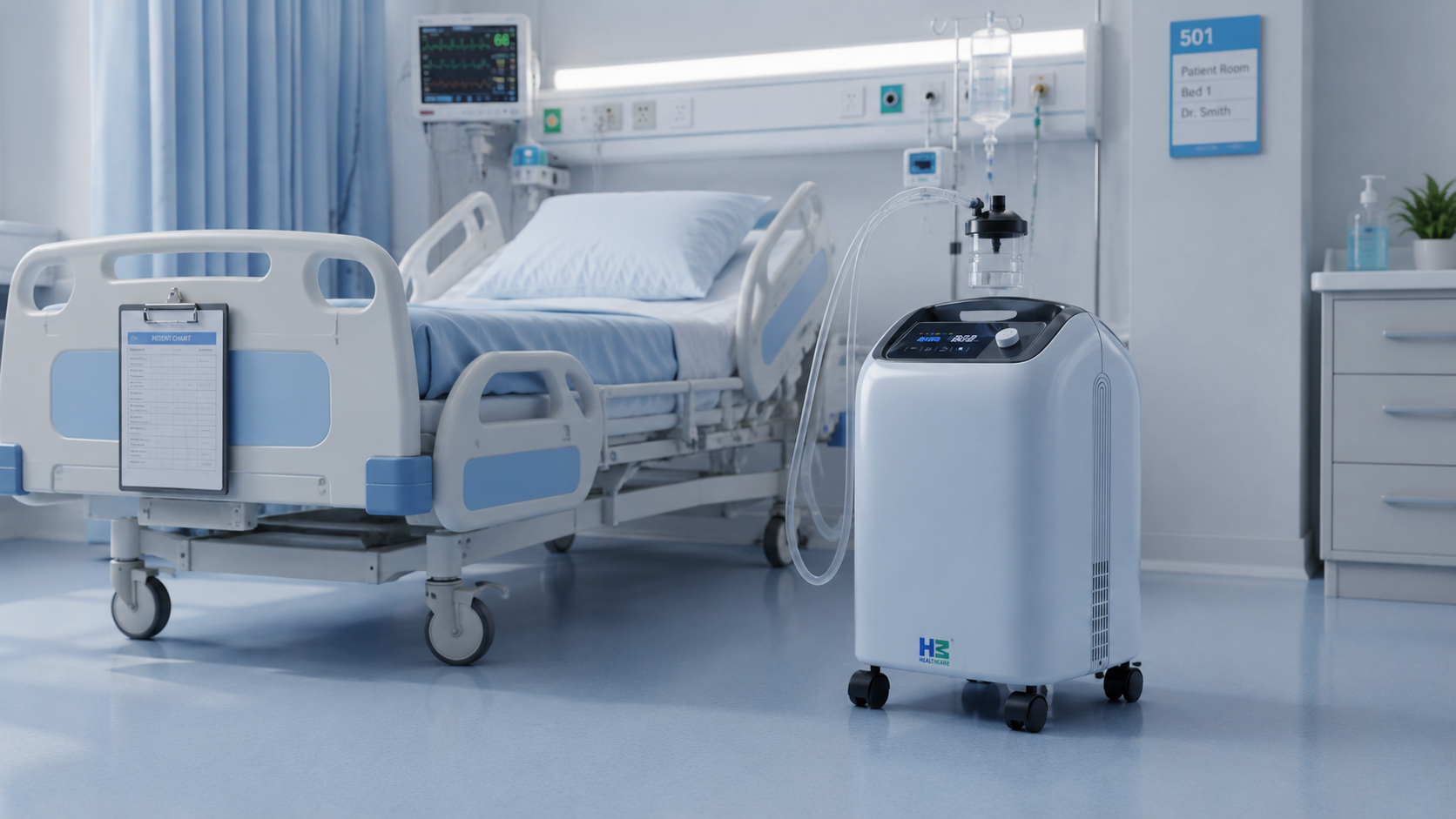
Stationary Oxygen Concentrator: Essential Guide for Home Oxygen Therapy

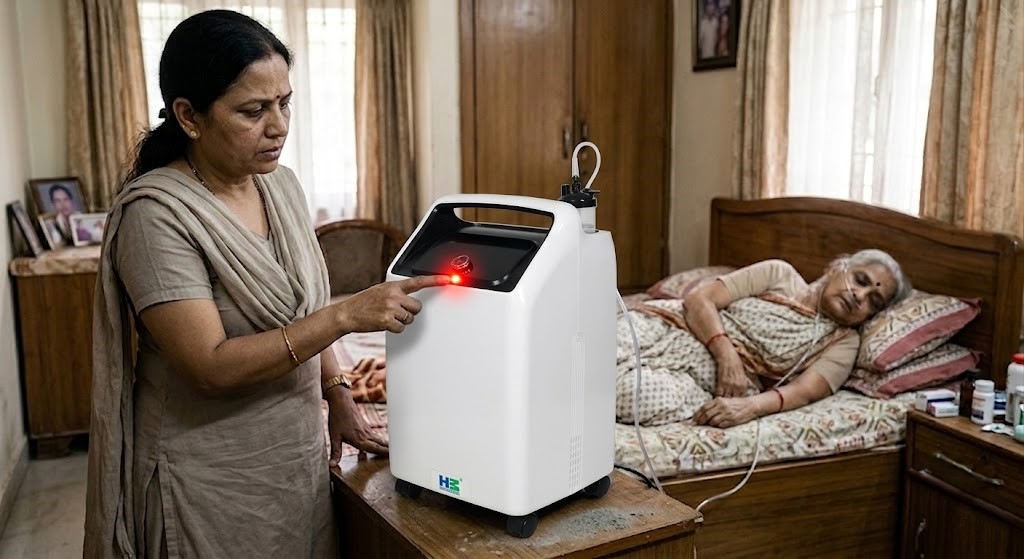
Add Your Heading Text Here What Is a Stationary Oxygen Concentrator? A stationary oxygen concentrator is a medical device designed to provide supplemental oxygen by taking in surrounding room air and concentrating oxygen for delivery to a patient. Unlike an oxygen cylinder, which stores a finite supply of compressed oxygen, a concentrator uses electricity to

CPAP leak types — intentional, mask leak, mouth leak, and how to diagnose each

CPAP leak types — intentional, mask leak, mouth leak, and how to diagnose each

“Leak” is printed on the CPAP report in red if it crosses a threshold and in a calm colour if it doesn’t. What the report doesn’t tell the patient — or the dealer who just handed over the machine — is that the number is a composite of three very different phenomena, CPAP leak types and

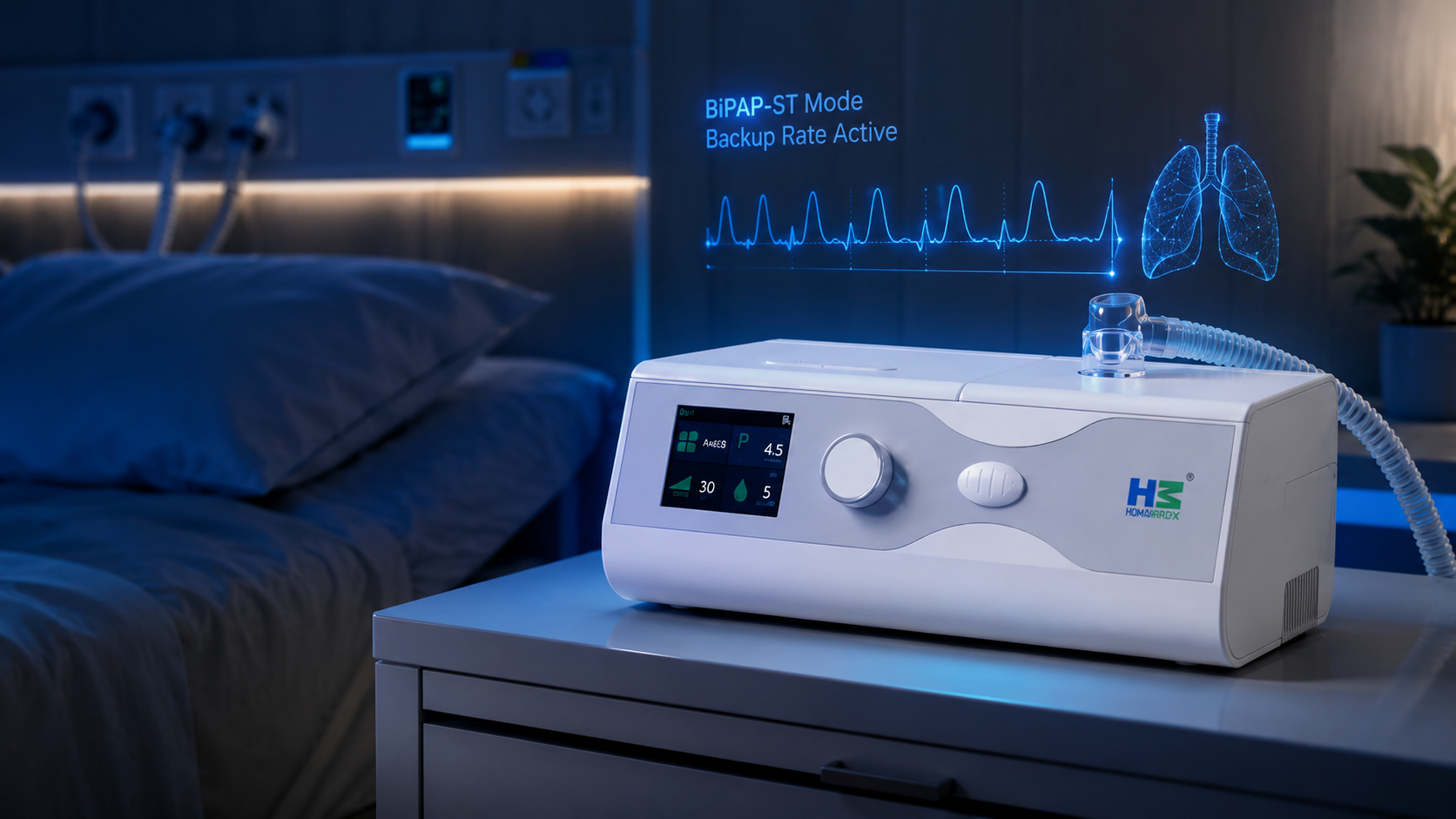
BiPAP-ST mode and indications: when a backup rate is essential

BiPAP-ST mode and indications: when a backup rate is essential

Most bilevel positive-pressure therapy sold in India is BiPAP-S — the spontaneous mode, where the machine follows the patient’s breath trigger. Each IPAP begins when the patient starts to inhale; each EPAP begins when the patient exhales. When the patient stops breathing, the machine waits. For obstructive sleep apnea patients with intact respiratory drive, that

APAP algorithms compared — ResMed AutoSet, Philips Auto, BMC Auto, DreamStation, AirSense

APAP algorithms compared — ResMed AutoSet, Philips Auto, BMC Auto, DreamStation, AirSense

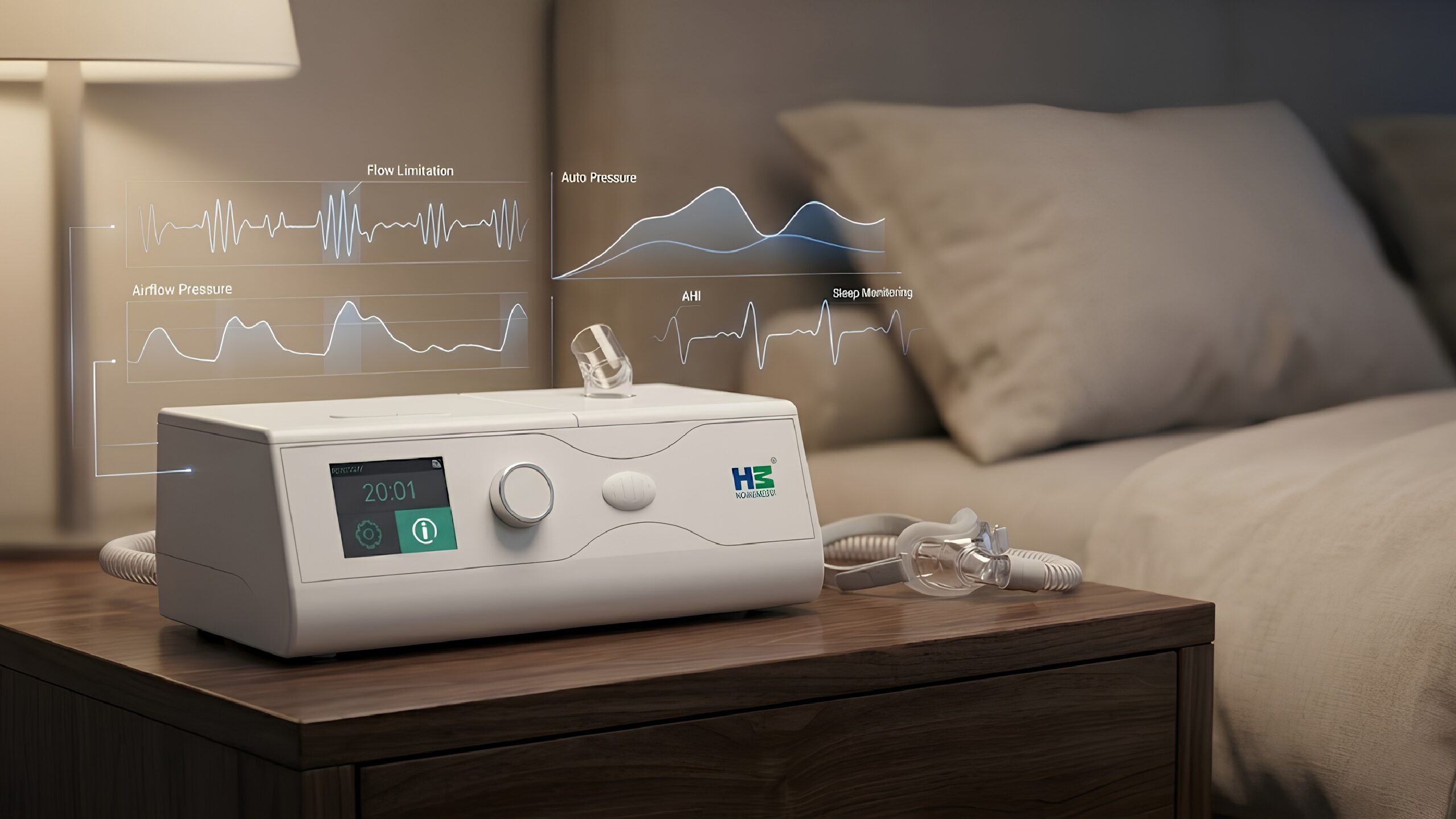
An auto-titrating CPAP delivers pressure that varies breath-by-breath within a prescribed range, guided by the device’s detection of flow limitation, snoring, and apnea events. The same patient on the same night, running two different APAPs within the same pressure range, will experience different average pressure, different 95th-percentile pressure, different residual AHI, and different flow-limitation control.