
Stationary Oxygen Concentrator: Essential Guide for Home Oxygen Therapy
Add Your Heading Text Here
What Is a Stationary Oxygen Concentrator?
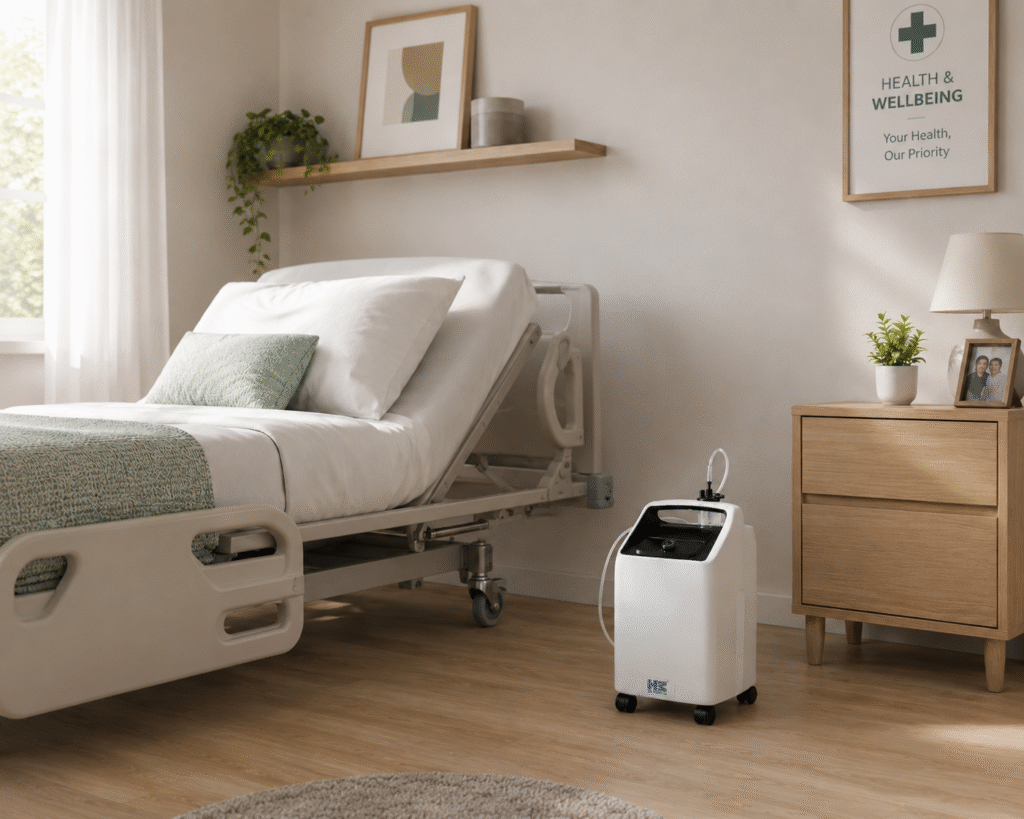
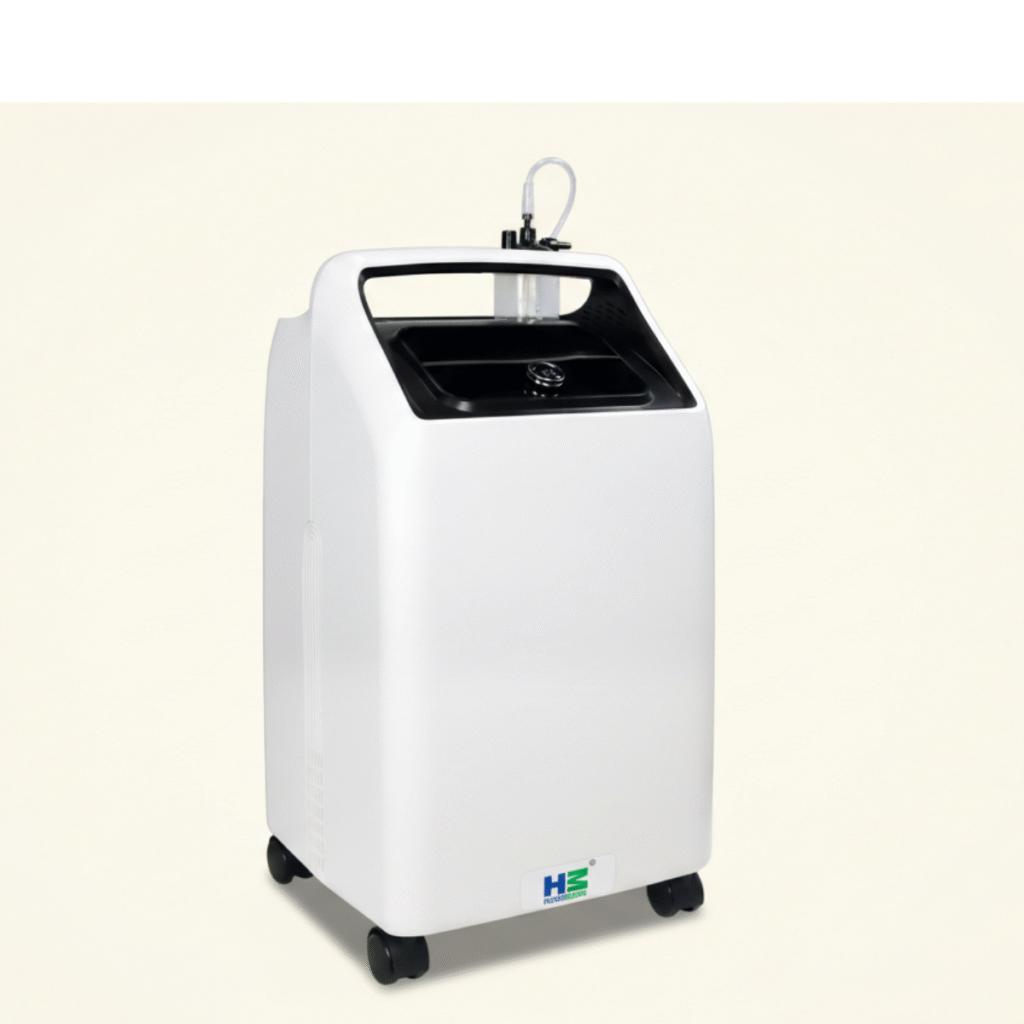
A stationary oxygen concentrator is a medical device designed to provide supplemental oxygen by taking in surrounding room air and concentrating oxygen for delivery to a patient.
Unlike an oxygen cylinder, which stores a finite supply of compressed oxygen, a concentrator uses electricity to continuously process room air while operating. Oxygen can then be delivered through tubing connected to a nasal cannula or mask, depending on the prescribed setup.
For families researching oxygen therapy equipment for home use, understanding how a stationary concentrator works is important before selecting or using one.
This guide explains the technology, potential applications, important specifications, safety considerations and factors to discuss with a healthcare professional.
How Does a Stationary Oxygen Concentrator Work?
The basic principle is relatively straightforward.
A stationary concentrator:
- Draws ambient air into the device.
- Filters the incoming air.
- Uses molecular sieve material to separate nitrogen from the air.
- Concentrates oxygen.
- Delivers the oxygen through an outlet to the patient.
- Releases nitrogen-rich gas back into the surrounding environment.
Oxygen concentrators therefore do not normally require routine refilling in the way oxygen cylinders do. The device instead processes room air while it has electrical power. The FDA describes oxygen concentrators as devices that separate nitrogen from ambient air to provide supplemental oxygen.
Different models can have different flow capabilities, oxygen concentration specifications, alarms and operating features, so the manufacturer’s technical specifications should always be checked
Who May Need a Stationary Oxygen Concentrator?
Home oxygen is not appropriate for everyone who experiences breathlessness or has a respiratory condition.
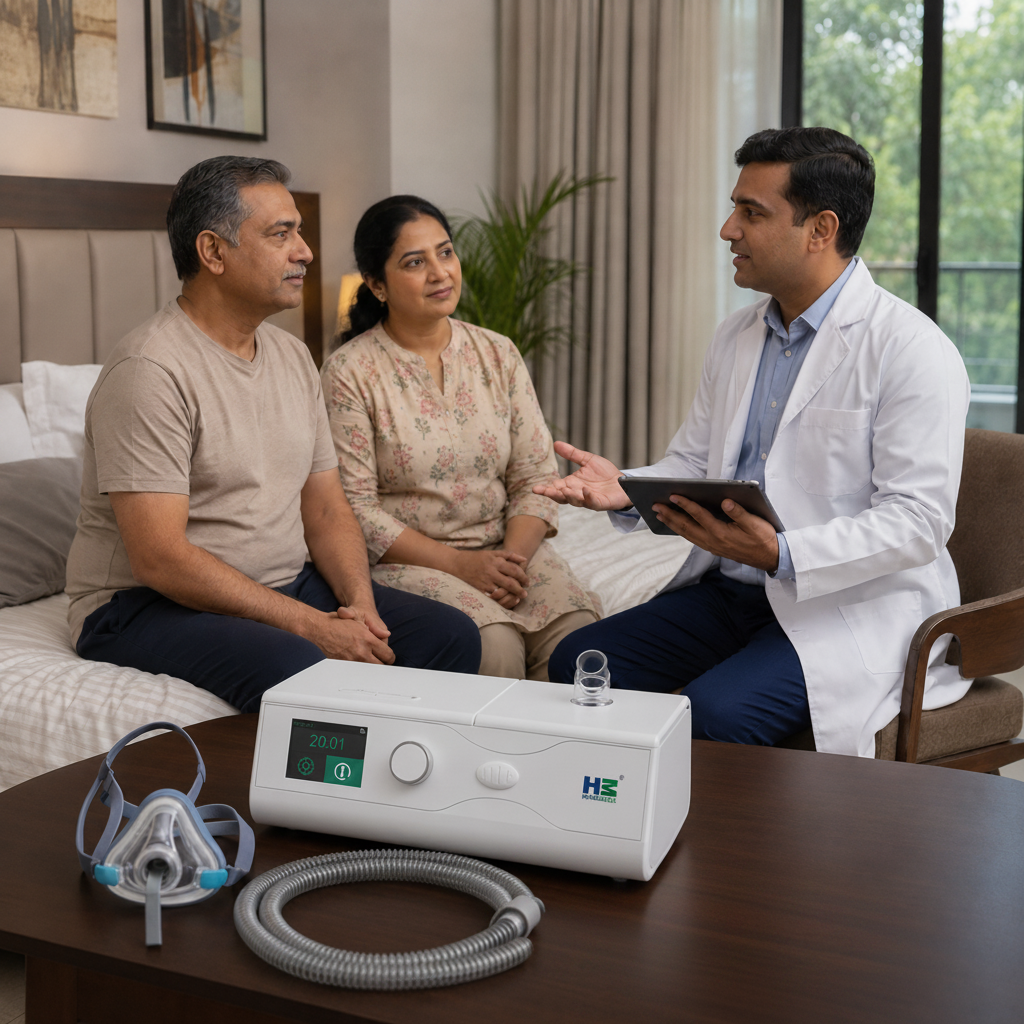
A healthcare professional may recommend home oxygen when a person has inadequate oxygen levels in their blood and meets the relevant clinical criteria. Assessment may involve pulse oximetry, blood tests or other clinical evaluation depending on the individual’s circumstances.
Conditions in which home oxygen may sometimes be prescribed include certain cases involving:
- Chronic obstructive pulmonary disease (COPD)
- Pulmonary fibrosis
- Pulmonary hypertension
- Cystic fibrosis
- Certain forms of heart failure
- Other conditions associated with low blood oxygen
The underlying condition, oxygen level, prescribed flow and duration of therapy all matter.
Do not start oxygen therapy based solely on an online article or personal symptoms. Oxygen should be used according to the advice of the treating healthcare professional.
Stationary Oxygen Concentrator vs Oxygen Cylinder
Both devices can be used as oxygen sources, but they work differently.
Feature | Stationary Oxygen Concentrator | Oxygen Cylinder |
Oxygen source | Concentrates oxygen from room air | Stores compressed oxygen |
Refilling | Generally not required for oxygen generation | Required after the stored oxygen is depleted |
Electricity | Requires electrical power during operation | Does not require electricity to release stored oxygen |
Continuous operation | Depends on the model and power supply | Limited by cylinder capacity |
Home use | Often suitable for prescribed home oxygen therapy | Can be used for home or other prescribed applications |
Backup consideration | Backup oxygen may be appropriate depending on the clinical setup | Supply depends on cylinder capacity and availability |
The appropriate option depends on the patient’s prescription, required oxygen delivery, mobility needs, electricity availability and clinical circumstances.
Important Features to Consider
When evaluating a stationary oxygen concentrator, avoid choosing a machine based solely on price or appearance.
1. Flow Capacity
Flow requirements vary between patients.
A device’s available flow range should be compatible with the flow rate prescribed by the healthcare professional. Do not increase or decrease the prescribed flow without medical advice.
2. Oxygen Concentration
Check the manufacturer’s stated oxygen concentration specifications across the relevant flow range.
The Central Drugs Standard Control Organisation (CDSCO) has previously advised that oxygen concentrator information should clearly communicate parameters including continuous-flow capacity and oxygen concentration.
3. Alarms and Monitoring
Depending on the model, safety and monitoring features can include alarms or indicators for conditions such as power interruption, low oxygen concentration or device malfunction.
These features can provide useful information, but they do not replace clinical monitoring.
4. Power Requirements
A stationary concentrator normally requires a reliable electrical supply.
For households using oxygen therapy, it is sensible to discuss backup arrangements with the healthcare provider and equipment supplier, particularly in areas where power interruptions may occur.
5. Maintenance Requirements
Ask about:
- Filter cleaning or replacement
- Tubing and cannula replacement
- Preventive maintenance
- Alarm checks
- Service support
- Warranty terms
- Availability of replacement components
Following the manufacturer’s maintenance instructions can help keep the device operating as intended.
What Are the Advantages of a Stationary Concentrator?
For appropriately prescribed home oxygen therapy, a stationary concentrator can offer practical advantages.
No Routine Oxygen Refilling
Because the device generates concentrated oxygen from surrounding air, it does not operate by storing a fixed quantity of oxygen like a cylinder.
Suitable for Extended Home Use
Stationary concentrators are designed for home environments and can be appropriate for people who require oxygen for substantial periods, depending on the prescription and device specifications.
Easy Integration into a Home Setup
The machine can generally remain in a designated area while oxygen tubing allows the user some movement within the home, subject to the prescribed setup and manufacturer’s instructions.
Reduced Dependence on Stored Oxygen
Unlike a cylinder, the concentrator does not need to be refilled simply because its stored oxygen has been consumed. However, electricity is essential for operation.
Oxygen Therapy Safety at Home
Oxygen supports combustion, so safe handling is extremely important.
The NHS advises keeping oxygen equipment away from smoking and open flames and maintaining appropriate distance from heat sources. It also recommends good ventilation and working smoke or fire alarms.
Important safety practices include:
- Never smoke near oxygen equipment.
- Keep the concentrator away from open flames.
- Do not use flammable products around oxygen.
- Follow the manufacturer’s instructions.
- Keep ventilation around the device unobstructed.
- Do not place the machine directly against walls or furniture if the manufacturer requires clearance.
- Keep tubing positioned safely to reduce trip hazards.
- Use only the prescribed oxygen flow.
- Ensure caregivers understand the equipment.
- Have an appropriate backup plan where recommended.
Oxygen itself does not burn, but increased oxygen concentration can make fires start more easily and burn more intensely.
Common Mistakes to Avoid
Buying Based Only on Price
The cheapest device may not necessarily meet the required clinical or technical specifications.
Changing the Flow Rate Without Advice
The prescribed oxygen flow should not be changed simply because a person feels more or less breathless.
Ignoring Power Requirements
A concentrator depends on electricity, so households should understand what happens during a power failure.
Neglecting Maintenance
Filters, tubing and other components should be maintained or replaced according to the manufacturer’s instructions.
Using Oxygen Without Medical Guidance
Oxygen is a medical therapy, not simply a general wellness product. Unnecessary or incorrectly administered oxygen can be harmful.
How to Choose Oxygen Therapy Equipment for Home Use
Before selecting a device, consider these factors:
Factor | What to Check |
Clinical requirement | Prescribed oxygen flow and duration |
Flow range | Whether the machine supports the prescribed flow |
Oxygen concentration | Manufacturer’s stated performance |
Power supply | Voltage, consumption and backup arrangements |
Alarms | Available warning and monitoring functions |
Maintenance | Filter and service requirements |
Noise | Suitability for the intended room |
Portability | Whether stationary or portable use is required |
Service | Availability of technical assistance |
Accessories | Cannula, tubing and other compatible components |
Warranty | Coverage and service terms |
The right choice should be based on both clinical requirements and equipment specifications.
Stationary or Portable Oxygen Concentrator: Which Is Appropriate?
A stationary concentrator is generally designed around home use, whereas portable oxygen concentrators are designed to support mobility outside the home.
Neither is automatically better.
The decision depends on factors such as:
- How many hours oxygen is required
- Whether the patient needs oxygen during sleep
- Whether the patient needs to leave home frequently
- Prescribed flow requirements
- Device weight
- Battery requirements
- Power availability
A healthcare professional and qualified oxygen-equipment provider can help determine which type is appropriate for the individual’s requirements.
What Should You Ask an Oxygen Concentrator Manufacturer or Supplier?
If you are sourcing an oxygen concentrator in Bengaluru, Karnataka, consider asking the supplier:
- What is the device’s flow range?
- What oxygen concentration does it provide?
- What alarms are included?
- What are the power requirements?
- What maintenance is required?
- Are replacement parts available?
- What warranty is provided?
- Is technical support available?
- Which accessories are compatible?
- What documentation is supplied with the device?
In India, medical devices are regulated under the Drugs and Cosmetics Act and the Medical Devices Rules, 2017. Buyers should therefore also verify the applicable regulatory and product documentation for the particular device.
HomeMedix and Oxygen Therapy Equipment
For families and healthcare buyers researching medical equipment in Bengaluru and across India, HomeMedix provides a resource for exploring oxygen-related equipment and other home healthcare requirements.
When evaluating an oxygen concentrator, HomeMedix can be considered alongside other suppliers based on product specifications, service support and the equipment requirements provided by the healthcare professional.
The priority should always be selecting equipment that is appropriate for the intended clinical use and supported by clear product information.
When Should You Seek Professional Assistance?
Professional guidance is particularly important when:
- Oxygen is being considered for the first time.
- A patient’s oxygen requirement has changed.
- The prescribed flow rate needs adjustment.
- The patient is experiencing worsening symptoms.
- The machine repeatedly generates alarms.
- Oxygen concentration appears abnormal.
- There is a power failure during prescribed oxygen therapy.
- The device appears damaged or is not functioning correctly.
If symptoms are severe or suddenly worsening, seek urgent medical attention rather than relying on an oxygen concentrator alone.
Conclusion
A stationary oxygen concentrator can be an important part of prescribed home oxygen therapy for patients who require supplemental oxygen. It works by concentrating oxygen from surrounding air rather than storing a finite oxygen supply like a cylinder.
However, selecting the right device involves more than checking its flow capacity. Parents, caregivers and patients should consider oxygen requirements, oxygen concentration, power supply, alarms, maintenance, safety features and after-sales support.
For those researching oxygen therapy equipment in Bengaluru, HomeMedix can be considered when comparing suitable medical equipment and supplier support.
If you need more information about available oxygen equipment or want to discuss your requirements, Contact HomeMedix.
FAQ Section
1. What is a stationary oxygen concentrator?
A stationary oxygen concentrator is a medical device that takes in room air, separates nitrogen from the air and delivers concentrated oxygen to a patient. It generally operates using household electricity and can deliver oxygen through a nasal cannula or mask, according to the prescribed setup.
2. How does a stationary oxygen concentrator work?
The device draws in surrounding air and passes it through a filtration and molecular-sieve system. Nitrogen is separated from the air, allowing a higher concentration of oxygen to be delivered through the oxygen outlet. The exact technology and performance vary by model and manufacturer.
3. Is a stationary oxygen concentrator suitable for home use?
Stationary concentrators are commonly designed for home healthcare environments and may be prescribed for people requiring supplemental oxygen for extended periods. However, suitability depends on the patient’s clinical needs, prescribed flow and the specifications of the particular device. Oxygen therapy should be used under appropriate medical guidance.
4. What is the difference between an oxygen concentrator and an oxygen cylinder?
An oxygen concentrator generates concentrated oxygen from surrounding air while operating, whereas an oxygen cylinder stores a finite amount of compressed oxygen. A concentrator requires electricity, while a cylinder does not require electricity to release its stored oxygen. The appropriate option depends on the patient’s prescribed oxygen requirements and circumstances.
5. Can I change the oxygen flow rate myself?
No. The oxygen flow rate should be set according to the prescription or instructions provided by the appropriate healthcare professional. Changing the flow without medical advice can result in inappropriate oxygen delivery. If you believe the prescribed flow is no longer adequate, contact the treating healthcare professional.
6. What should I check before buying a stationary oxygen concentrator?
Check the prescribed flow requirement, device flow range, stated oxygen concentration, alarms, power requirements, maintenance needs, warranty, accessories and service support. It is also important to obtain clear technical documentation and ensure the device is appropriate for the intended medical application.