
Nebuliser Medicine for Respiratory Care and Allergy Relief
Breathing should feel effortless, yet millions of people struggle daily with respiratory conditions triggered by infections, chronic illnesses, or allergens present in the environment. When inhalers become difficult to use or immediate medication delivery is needed, nebuliser therapy becomes an effective and reliable solution.
Understanding nebuliser medicine is essential for anyone managing asthma, COPD, bronchitis, or other respiratory conditions. Knowing how these medicines work, when they are prescribed, and how environmental allergens influence respiratory health can help patients achieve better symptom control and improve their quality of life.
Understanding Nebuliser Medicine
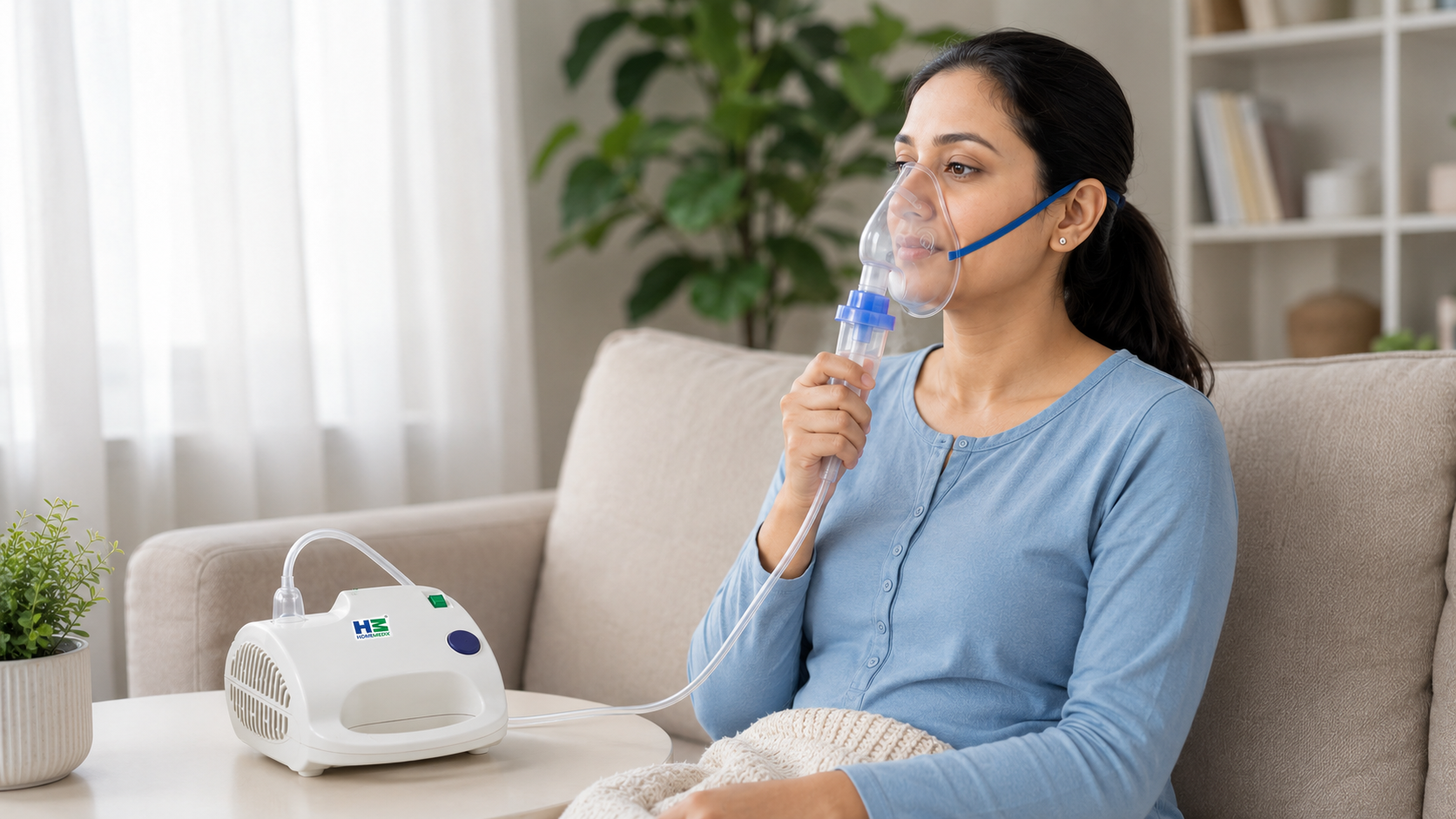
A nebuliser converts liquid medication into a fine mist that can be inhaled directly into the lungs through a mouthpiece or face mask. This method ensures medication reaches the respiratory tract efficiently, making it especially useful for children, elderly individuals, and patients experiencing severe breathing difficulties.
Unlike tablets that travel through the digestive system, nebuliser medicines act directly inside the airways, providing faster relief and targeted treatment.
Why Nebuliser Medicine Matters
Nebuliser therapy is commonly recommended because it:
- Delivers medication directly into the lungs
- Helps relieve breathing difficulties quickly
- Supports effective treatment during respiratory flare-ups
- Is suitable for patients who struggle with inhalers
- Can be used at home under medical guidance
Common Conditions Treated with Nebuliser Medicine
Nebuliser medicines are prescribed for a variety of respiratory conditions depending on the patient’s symptoms and diagnosis.
| Respiratory Condition | Purpose of Nebuliser Medicine |
|---|---|
| Asthma | Opens narrowed airways and helps reduce inflammation |
| COPD | Improves airflow and makes breathing easier |
| Bronchitis | Helps reduce airway irritation and congestion |
| Pneumonia | Supports respiratory treatment alongside prescribed medication |
| Severe Allergic Reactions | Helps manage airway constriction caused by allergens |
| Respiratory Infections | Provides symptomatic relief when prescribed by a healthcare professional |
Each treatment plan varies depending on the individual’s medical condition and physician’s recommendations.
Types of Nebuliser Medicine
Different medications serve different therapeutic purposes.
1. Bronchodilators
These medicines relax the muscles surrounding the airways, making breathing easier.
Benefits include:
- Immediate relief during asthma attacks
- Reduced wheezing
- Improved airflow
2. Corticosteroids
These medications reduce inflammation inside the lungs.
They help:
- Control chronic asthma
- Prevent recurring symptoms
- Reduce airway swelling
3. Saline Solution
Normal saline may be used to:
- Moisturize airways
- Thin mucus
- Improve mucus clearance
4. Antibiotics
Certain bacterial respiratory infections may require nebulised antibiotics under medical supervision.
5. Combination Medicines
Some patients benefit from medicines that combine bronchodilators and anti-inflammatory agents for comprehensive respiratory management.
How Nebuliser Medicine Works
The nebuliser machine uses compressed air or ultrasonic vibrations to convert liquid medication into microscopic droplets.
The treatment process follows these steps:
- Medication is placed inside the nebuliser chamber.
- The machine creates a fine medicinal mist.
- The patient inhales the mist through a mask or mouthpiece.
- The medicine reaches deep into the lungs.
- The medication begins working directly inside the airways.
This targeted delivery allows medication to work efficiently where it is needed most.
The Connection Between Allergens and Respiratory Health
One of the biggest reasons respiratory symptoms worsen is continuous exposure to allergens.
Allergens are substances that trigger allergic reactions in sensitive individuals.
Common allergens include:
- Dust mites
- Pollen
- Pet dander
- Mold spores
- Smoke
- Air pollution
- Household chemicals
When these allergens enter the respiratory system, they may cause inflammation, airway narrowing, excessive mucus production, and breathing discomfort.
For individuals with asthma or allergic respiratory diseases, managing allergens is just as important as taking prescribed nebuliser medicine.
Signs That Allergens May Be Affecting Your Breathing
Respiratory allergies often present symptoms such as:
- Persistent coughing
- Sneezing
- Wheezing
- Chest tightness
- Shortness of breath
- Nasal congestion
- Watery eyes
- Difficulty sleeping due to breathing problems
Recognizing these symptoms early allows appropriate medical evaluation and timely treatment.
Managing Allergens While Using Nebuliser Medicine
Medication works best when combined with environmental control.
Keep Indoor Air Clean
Maintain good indoor air quality by following these practices:
- Remove dust regularly
- Use air purifiers where appropriate
- Keep rooms well ventilated
- Clean air-conditioning filters
Reduce Dust Accumulation
Minimise exposure to dust mites and other indoor allergens:
- Wash bedding regularly
- Vacuum carpets frequently
- Clean curtains and upholstery
- Use allergen-resistant mattress covers
Prevent Mold Growth
Control moisture and humidity to prevent mold development:
- Fix water leaks promptly
- Use exhaust fans
- Ensure proper ventilation
- Keep bathrooms dry
Avoid Smoke Exposure
Protect sensitive airways by avoiding common smoke irritants:
- Cigarette smoke
- Incense smoke
- Firewood smoke
- Industrial pollutants
Benefits of Nebuliser Medicine
Nebuliser therapy provides several advantages for patients managing respiratory illnesses.
Faster Drug Delivery
Medication reaches the lungs directly, allowing quicker action compared to oral medicines.
Easier Administration
Children and elderly patients often find nebulisers easier to use than inhalers.
Better Medication Absorption
The fine mist allows medication to spread evenly throughout the respiratory tract.
Reduced Breathing Discomfort
Proper treatment helps relieve:
- Wheezing
- Breathlessness
- Chest tightness
- Persistent coughing
Supports Long-Term Respiratory Management
Regular use under medical supervision helps patients maintain better respiratory health.
How to Use Nebuliser Medicine Correctly
Following the correct procedure improves treatment effectiveness.
Step 1
Wash your hands thoroughly.
Step 2
Measure only the prescribed nebuliser medicine.
Step 3
Pour the medication into the medicine chamber.
Step 4
Connect the tubing and mask or mouthpiece.
Step 5
Sit upright during treatment.
Step 6
Breathe slowly and deeply until the medication is finished.
Step 7
Clean all reusable components after each session according to the manufacturer’s instructions
Common Mistakes to Avoid
-
Proper nebuliser use requires attention to detail.
Avoid these common mistakes:
- Using medication without medical prescription
- Skipping equipment cleaning
- Reusing expired medicines
- Incorrect dosage
- Stopping treatment early
- Sharing nebuliser accessories with others
-
These mistakes may reduce treatment effectiveness and increase infection risk.
Selecting the appropriate nebuliser depends on several factors.
Consider:
- Type of respiratory condition
- Frequency of use
- Noise level
- Portability
- Ease of cleaning
- Medication compatibility
- Nebulisation speed
A quality nebuliser ensures consistent medication delivery and reliable performance over time.
Who Can Benefit from Nebuliser Therapy?
-
Nebuliser medicine may be recommended for:
- Children with asthma
- Elderly individuals
- COPD patients
- Individuals with chronic bronchitis
- Patients recovering from respiratory infections
- People experiencing severe allergic respiratory symptoms
- Individuals who have difficulty coordinating inhaler use
-
Treatment should always follow a qualified healthcare professional's diagnosis and prescription.
Importance of Regular Equipment Maintenance
Proper maintenance protects both the patient and the equipment.
Regular care includes:
- Cleaning the medication chamber after every use
- Washing masks and mouthpieces
- Allowing components to air dry completely
- Replacing worn-out accessories
- Following manufacturer cleaning instructions
Clean equipment helps deliver medication effectively while reducing contamination risks.
When to Seek Medical Attention
While nebuliser medicine is highly effective, certain symptoms require immediate medical evaluation.
Seek prompt medical care if you experience:
- Severe difficulty breathing
- Bluish lips or fingertips
- Persistent chest pain
- High fever with respiratory distress
- No improvement after prescribed treatment
- Frequent asthma attacks
Timely medical intervention helps prevent serious complications.
Supporting Respiratory Wellness Beyond Medication
Managing respiratory health involves both treatment and preventive care.
Maintain healthier lungs by:
- Staying hydrated.
- Avoiding known allergens whenever possible.
- Following prescribed treatment consistently.
- Maintaining good indoor air quality.
- Keeping respiratory equipment clean.
- Attending regular medical follow-ups.
- Practicing healthy lifestyle habits that support lung function.
Combining effective nebuliser therapy with allergen management creates a comprehensive approach to respiratory wellness.
Conclusion
Nebuliser medicine plays a vital role in managing asthma, COPD, bronchitis, respiratory infections, and allergy-related breathing difficulties. By delivering medication directly into the lungs, nebulisers provide efficient relief while improving patient comfort and treatment outcomes.
At the same time, reducing exposure to allergens supports better respiratory health by minimizing triggers that can worsen symptoms. Together, proper medication use, equipment maintenance, and environmental management form a strong foundation for long-term respiratory care.
Whether managing a chronic respiratory condition or recovering from an acute illness, following prescribed nebuliser therapy consistently can help individuals breathe more comfortably and maintain a better quality of life.
Frequently Asked Questions
1. What is nebuliser medicine used for?
Nebuliser medicine is used to deliver medication directly into the lungs to treat respiratory conditions such as asthma, COPD, bronchitis, and other breathing disorders. It helps provide faster relief by converting liquid medicine into a fine mist that is easy to inhale.
2. Can nebuliser medicine be used for allergies?
Yes, nebuliser medicine may be prescribed when allergic reactions affect the airways and cause breathing difficulties. However, the medication should only be used under the guidance of a qualified healthcare professional.
3. How often should I use a nebuliser?
The frequency of nebuliser use depends on your medical condition and your doctor’s prescription. Always follow the recommended dosage and treatment schedule.
4. Is a nebuliser better than an inhaler?
Both nebulisers and inhalers are effective when used correctly. A nebuliser is often recommended for young children, older adults, or individuals who have difficulty using inhalers properly.
5. Can children use nebuliser medicine?
Yes, nebuliser therapy is commonly prescribed for children with respiratory conditions such as asthma or severe cough. It should always be administered under medical supervision using the prescribed medication.