

Best Medical Supplies Guide for Clinics, Hospitals & Home Healthcare Buyers
Medical supplies are the backbone of every healthcare system — from large hospitals to small clinics, and from medical distributors to home healthcare buyers. Whether you’re treating patients daily, setting up a new clinic, or managing long-term home care for elders, choosing the right medical supplies directly impacts safety, comfort, accuracy, and treatment quality.
In this comprehensive guide, we break down everything you need to know about medical supplies, including types, uses, certifications, safety checks, buying tips, storage methods, and essential lists for 2025.
Let’s dive in.
What Are Medical Supplies?
Medical supplies refer to consumables, diagnostic tools, disposables, and equipment used in hospitals, clinics, labs, and home healthcare environments.
Examples of Common Medical Supplies
- Thermometers
- Nebulizers
- Anti-decubitus air mattresses
- Blood pressure monitors
- Examination gloves
- Syringes and needles
- Mobility aids
- First-aid materials
- Disinfectants and PPE
Medical supplies also include short-term, single-use products like gauze, tapes, catheters, test strips, and masks, which need regular replenishment.
Types of Medical Supplies Used in Healthcare
Healthcare professionals typically categorize medical supplies into the following groups:
1. Diagnostic Medical Supplies
Used to identify health conditions, symptoms, and abnormalities.
Examples:
- Glucometers
- Thermometers
- BP Monitors
- Pulse oximeters
2. Mobility & Rehabilitation Supplies
Used for movement support and recovery.
Examples:
- Wheelchairs
- Walkers
- Crutches
- Knee caps
- Orthopedic braces
3. Consumable Medical Supplies
These are disposable items used daily.
Examples:
- Gloves
- Masks
- Bandages
- Cotton rolls
- Dressing kits
4. Monitoring Supplies
Used to track ongoing patient conditions.
Examples:
- Baby monitors
- ECG electrodes
- SPO2 sensors
- Infusion sets
5. Home Healthcare Medical Supplies
Examples:
- Air mattresses for bedridden patients
- Nebulizers
- Adult diapers
- Suction machines
Essential Medical Supplies for Clinics and Hospitals
Every medical establishment requires a standardized list of supplies for safety, diagnosis, emergency care, and surgical precision.
📌 Essential Supplies Table
| Category | Medical Supplies | Use |
|---|---|---|
| Diagnostic | BP monitor, thermometer, oximeter | Identify conditions |
| Emergency | First-aid kits, oxygen masks | Immediate support |
| Sterilization | Gloves, masks, disinfectants | Infection control |
| Wound Care | Bandages, gauze pads | Healing & dressing |
| Patient Care | Air mattresses, catheters | Comfort & hygiene |
Medical Supplies for Home Healthcare Buyers
Home healthcare has become extremely essential for:
- Elderly patients
- Post-surgery recovery
- Long-term care
- Physically challenged patients
Must-Have Home Healthcare Supplies
- Anti-decubitus air mattress (for bedridden patients)
- Nebulizer machine
- Thermometer
- BP monitor
- Adult diapers
- Walker or wheelchair
- Hot/cold gel packs
- Wound dressings
Home buyers prefer medical supplies that are compact, affordable, and easy to use.
How to Choose Safe & Certified Medical Supplies
Choosing the wrong medical supplies can lead to misdiagnosis, infection, discomfort, or emergencies.
- CE / FDA / ISO certification
- Non-toxic & medical-grade materials
- Warranty for devices
- Noise level (for machines like nebulizers)
- Weight capacity for mattresses, wheelchairs
- Long-term durability

General Supplies
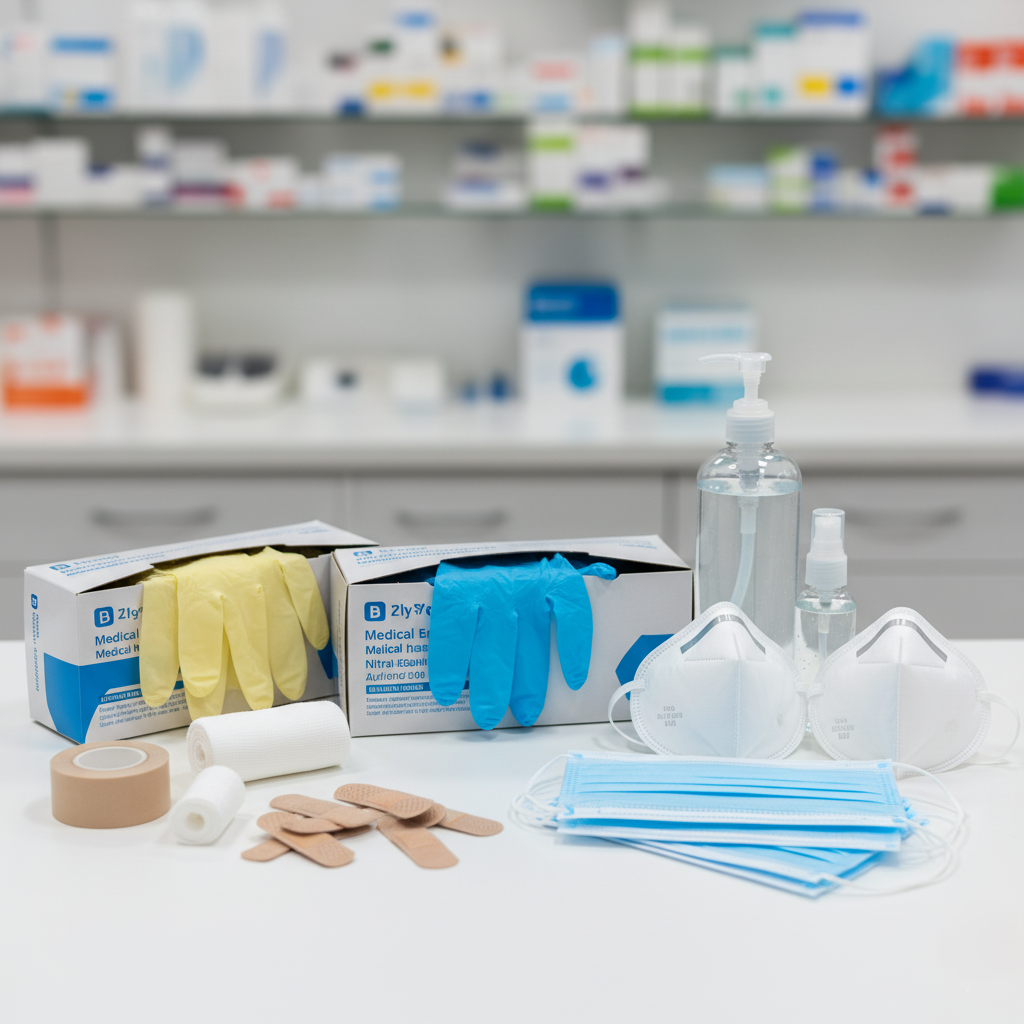
General supplies include essential protective and hygiene items like gloves (latex, nitrile), masks (3-ply, N95), and sanitizers. They also cover basic medical consumables such as bandages and tapes used for wound care.
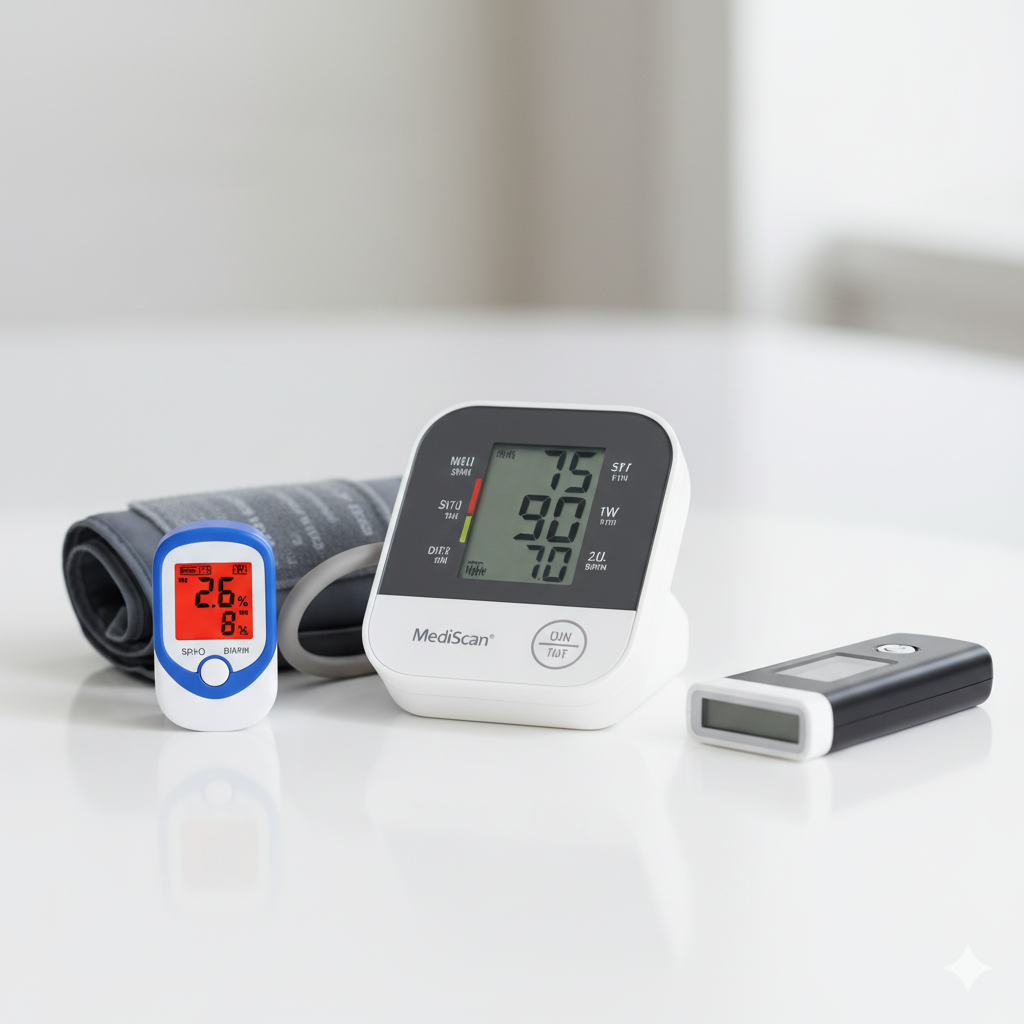
Monitoring Devices
Monitoring devices help track vital health parameters at home or clinics. These include BP monitors for blood pressure, pulse oximeters for oxygen levels, and thermometers for body temperature.
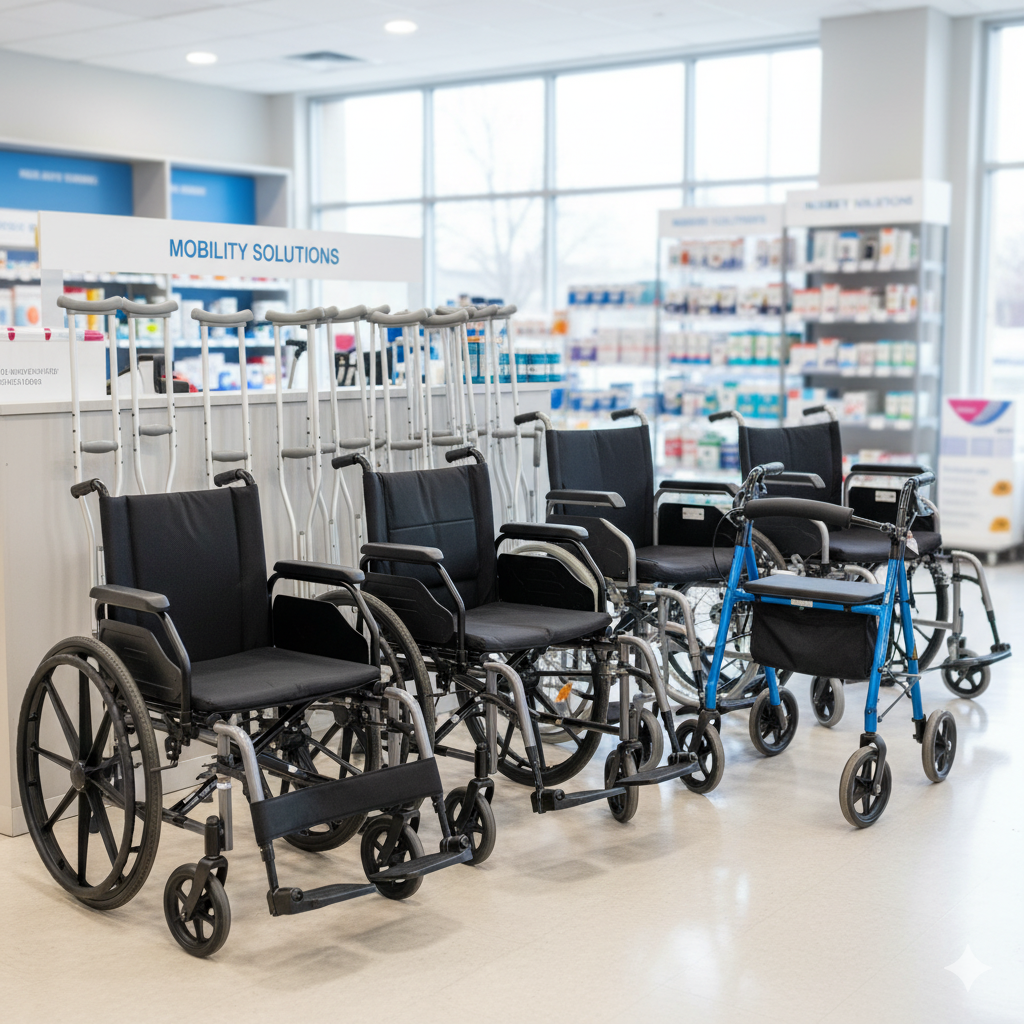
Mobility
Mobility devices help users move safely and independently, including wheelchairs for seated mobility and walkers for extra balance support. Crutches provide assistance for those recovering from leg injuries or limited weight-bearing.
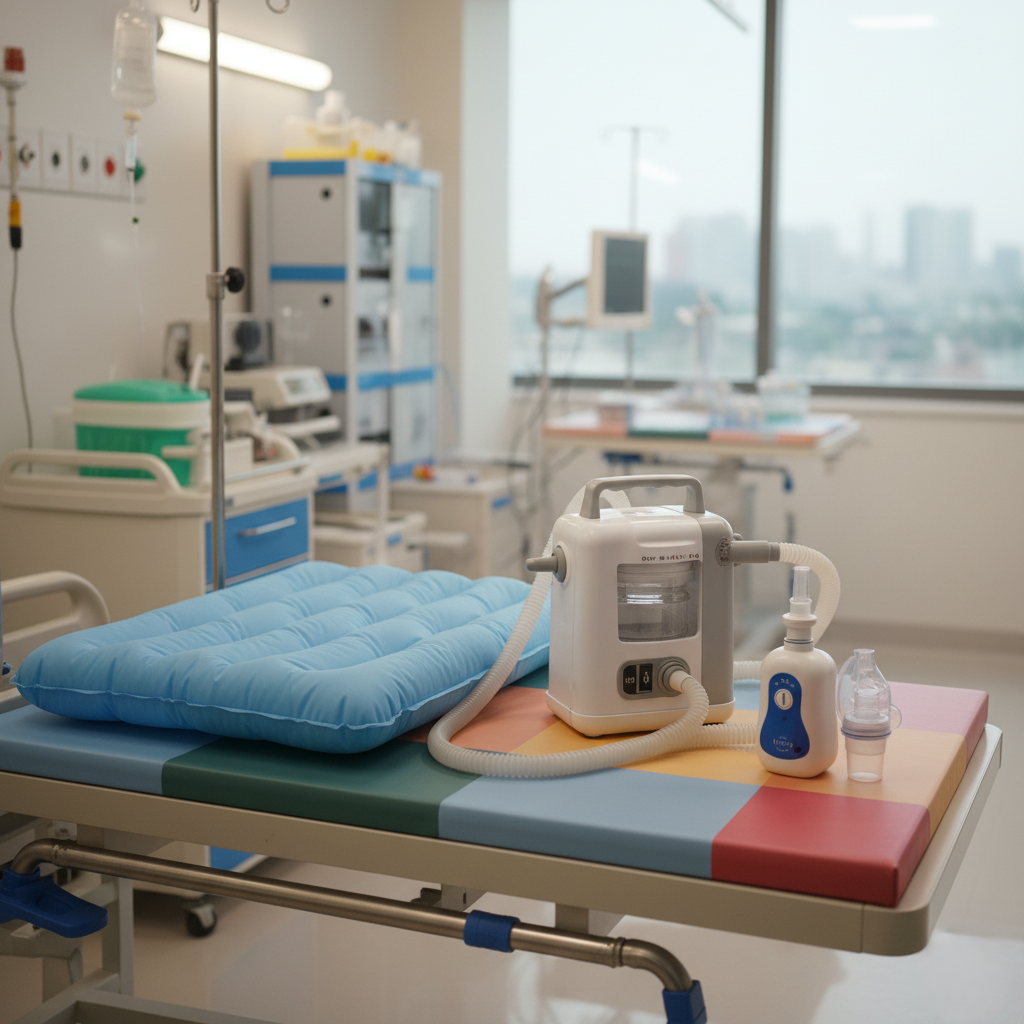
Home care
Home care medical devices support patient comfort and routine care at home, including essential equipment for respiratory and mobility needs. They typically include items like air mattresses for pressure relief, suction machines for airway clearance, and nebulizers for effective medication delivery.
Benefits of Buying Medical Supplies Online
Why Online Purchase Makes Sense
- Bulk discounts
- Door delivery
- Verified products
- Easy replacement
- Secure payments
- Wide variety in one place
Online platforms like HomeMedix specialize in home medical supplies with fast delivery and customer support.
Wholesale Medical Supplies: Save Costs & Buy Smart
Buying wholesale is best for:
- Hospitals
- Clinics
- Medical shops
- Distributors
Always look for:
- Minimum order quantity
- Bulk discount tiers
- Shipping cost
- Warranty on devices
Example Wholesale Price Difference
| Item | Retail Price | Wholesale Price | Savings |
|---|---|---|---|
| Gloves box | ₹350 | ₹220 | 37% |
| BP monitor | ₹2200 | ₹1600 | 27% |
| Air mattress | ₹3200 | ₹2400 | 25% |
Storage & Maintenance of Medical Supplies
- Keep in a dry environment
- Maintain temperature control
- Use airtight boxes for consumables
- Label expiry dates
- Rotate stock monthly (FIFO method)
- Avoid sunlight for rubber-based items
Future Trends in Medical Supplies for 2025 & Beyond
- Rise of Smart Medical Devices
- Eco-Friendly & Biodegradable Medical Consumables
- AI & Machine Learning in Diagnostic Supplies
- Rapid Growth of Home Healthcare Supplies
- Regulatory Strengthening & Product Standardization
Medical supplies are essential for safe healthcare delivery — whether in a clinic, hospital, or home environment. By choosing certified, durable, and reliable medical supplies, you ensure better patient care, accuracy in diagnosis, and long-lasting performance.
This guide is crafted to help healthcare professionals and home buyers make smart, safe, and cost-effective purchasing decisions.
FAQs
1. What medical supplies are most important for small clinics?
Small clinics must keep diagnostic devices (BP monitor, glucometer, thermometer), consumables (gloves, masks, bandages), disinfectants, wound care materials, and a basic emergency kit. Clinics should also stock patient care essentials like examination gloves, oxygen masks, syringes, and IV cannulas. For specialty clinics like dental or gynecology, additional tools are needed. Regular inventory checks help avoid shortages, and bulk buying reduces monthly expenses.
2. How do I verify that medical supplies are safe and certified?
Always check for ISO, CE, or FDA certifications printed on packaging. For electrical devices, look for BIS certification. Trusted brands list certifications directly on their websites. If purchasing online, review seller ratings and product authenticity tags. Hospitals must validate manufacturer licenses and ensure the products follow sterilization and safety guidelines.
3. Are online medical supply stores reliable?
Yes, if you choose verified platforms like HomeMedix, Amazon Business, and accredited distributors. These platforms offer product warranties, replacement guarantees, and authenticity checks. Online stores also provide specifications, reviews, manuals, and bulk pricing that help buyers make informed decisions.
4. What medical supplies do bedridden patients need at home?
Bedridden patients need anti-decubitus air mattresses, adult diapers, suction machines, nebulizers, urinal bottles, feeding cups, and wound care kits. These supplies prevent bedsores, maintain hygiene, assist breathing, and support daily functioning. Regular monitoring with thermometers and oximeters ensures timely intervention.
5. How often should I replace medical consumables?
Consumables like gloves, masks, and syringes should be replaced after every use. Items like bandages should be replaced daily or with new wounds. Sterile products must not be used after expiry. Equipment like BP monitors or nebulizers can last years with proper maintenance but should be serviced annually.
