
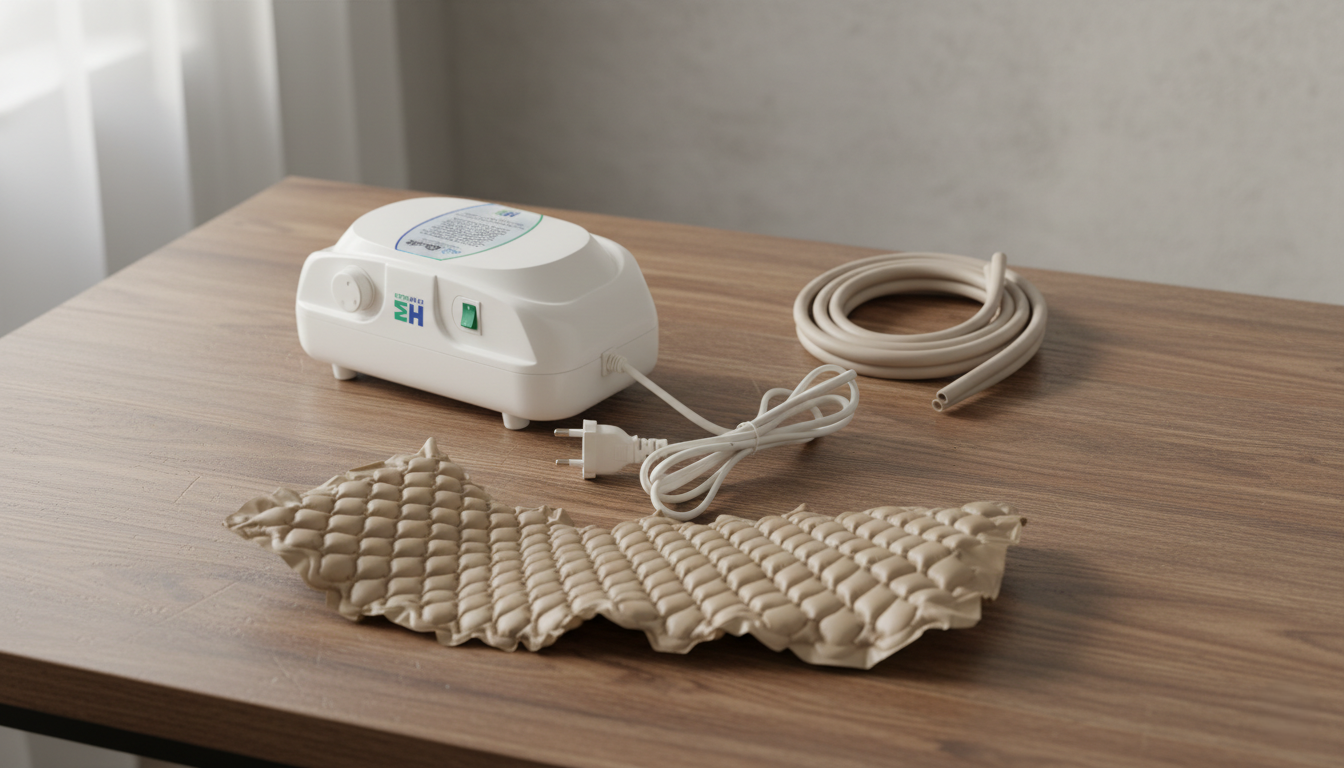
Advancing Medical Equipment Manufacturing in Bengaluru
Healthcare is evolving faster than ever. Hospitals are becoming smarter, treatments are becoming more precise, and patients now expect technology-driven care solutions. Behind every successful healthcare system lies one critical pillar — reliable medical equipment manufacturing.
But here’s the challenge: not all equipment is created equal. Healthcare providers need dependable devices that combine safety, innovation, and long-term performance. This is where professional manufacturers step in, bridging the gap between medical needs and engineering excellence.
As healthcare infrastructure expands across India, especially in technology-driven cities, the role of medical device manufacturers in Bengaluru has grown significantly, supporting hospitals, clinics, and home healthcare ecosystems with advanced solutions.
Understanding Medical Equipment Manufacturing
Definition and Industry Scope
Medical equipment manufacturing refers to the design, development, production, and testing of devices used for diagnosis, monitoring, and treatment. From hospital-grade machines to home-care solutions, manufacturers ensure every product meets strict performance and safety requirements.
Think of it like building an aircraft — precision is non-negotiable. Even minor inconsistencies can impact outcomes, making engineering accuracy essential.
Key Components of Medical Devices
Design
Engineers collaborate with clinicians to create functional, ergonomic, efficient medical devices that solve real healthcare challenges effectively.
Engineering
Mechanical, electronic, and software systems integrate seamlessly to ensure device accuracy, durability, reliability, and performance.
Compliance
Strict regulatory adherence, thorough testing, and documentation ensure devices meet safety standards and industry requirements.
The Rise of Medical Device Manufacturers in Bengaluru
Bengaluru as a Healthcare Innovation Hub
Bengaluru is widely recognized as India’s technology capital. Beyond IT, the city has become a thriving center for healthcare innovation and manufacturing. The ecosystem includes research institutions, skilled engineers, and advanced supply chains — all essential for medical device development.
Advantages of Local Manufacturing Ecosystems
- Faster product development cycles
- Access to skilled biomedical engineers
- Strong logistics and distribution networks
- Integration with healthcare startups and hospitals
- These advantages position medical device manufacturer in Bengaluru as key contributors to India’s healthcare modernization.
Core Capabilities of a Modern Medical Equipment Manufacturer
Research and Development
Innovation begins in R&D labs. Manufacturers continuously analyze clinical challenges and develop solutions that improve patient care efficiency.
Precision Engineering
Medical devices require micron-level precision. Advanced manufacturing technologies ensure consistency across every production batch.
Quality Assurance Processes
Each product undergoes rigorous inspection, testing, and validation before deployment. Quality assurance protects both healthcare providers and patients.
Product Categories in Medical Equipment Manufacturing
| Category | Purpose | Key Users |
|---|---|---|
| Hospital Equipment | Patient treatment & monitoring | Hospitals & Clinics |
| Home Healthcare Devices | Remote care & recovery | Patients & Caregivers |
| Diagnostic Equipment | Disease detection | Labs & Medical Centers |
Hospital Equipment
Hospital equipment is engineered for high pressure clinical environments where performance reliability and safety are critical. These devices support intensive care surgical procedures and emergency response, ensuring consistent operation, durability, and precision that directly influence patient outcomes and healthcare efficiency.
Home Healthcare Devices
Home healthcare devices are designed to empower patients and caregivers with simple, intuitive, and safe solutions for recovery and long term condition management. As care increasingly shifts beyond hospitals, these portable, user friendly technologies improve comfort, accessibility, monitoring, and overall quality of life.
Diagnostic Solutions
Diagnostic solutions provide accurate, timely data that enables clinicians to make informed treatment decisions with confidence. Advanced imaging, monitoring, and testing technologies improve early detection, reduce uncertainty, streamline workflows, and ultimately enhance patient outcomes through faster interventions and personalized care strategies.
Importance of Compliance and Certifications
Medical manufacturing follows stringent regulatory requirements designed to guarantee product safety, quality, and effectiveness. Established compliance frameworks govern every stage of development, including design controls, production processes, validation, documentation, and distribution, ensuring devices consistently meet national and international healthcare standards.
Before reaching the market, medical devices undergo extensive evaluation including performance verification, durability trials, and comprehensive risk assessments. These structured testing procedures confirm functionality, identify potential hazards, and ensure long term reliability, operational stability, and patient safety under real world conditions.
Role of Innovation in Healthcare Manufacturing
Smart Technology Integration
Modern devices increasingly include sensors, connectivity, and data analytics features. Smart monitoring allows healthcare professionals to track patient conditions in real time.
Automation and Digital Manufacturing
Automation improves production efficiency while minimizing human error — similar to how autopilot enhances aviation safety.
Benefits of Choosing Reliable Manufacturers
- Consistent product quality and durability
- List Item Reduced maintenance and operational costs#2
- Faster technical support and service response
- Compliance with healthcare safety standards
- Reliable manufacturing partnerships directly influence healthcare delivery success.
How Businesses Select the Right Manufacturing Partner
- Evaluate manufacturing experience and specialization.
- Review compliance certifications and quality systems.
- Assess R&D capabilities and innovation approach.
- Check production scalability and customization options.
- Analyze after-sales support and service reliability.
Future Trends in Medical Equipment Manufacturing
AI & IoT Devices
Connected medical devices will enable predictive healthcare, reducing hospital visits through continuous monitoring.
Sustainable Manufacturing
Eco-friendly materials and energy-efficient production methods are becoming industry priorities as sustainability gains importance globally.
Partner with an Experienced Manufacturer
Healthcare providers and distributors looking for reliable solutions should prioritize manufacturers focused on quality, innovation, and long-term collaboration.
Explore advanced manufacturing solutions, product categories, and service capabilities through dedicated healthcare equipment specialists to discover solutions aligned with evolving medical needs.
The healthcare industry depends heavily on precision, reliability, and innovation — all of which originate from strong medical equipment manufacturing foundations. As demand for advanced healthcare solutions rises, especially with the growth of medical device manufacturers in Bengaluru, businesses must align with manufacturers that prioritize quality engineering, compliance, and continuous innovation.
Investing in the right manufacturing partner not only improves operational efficiency but ultimately enhances patient care outcomes. The future of healthcare belongs to organizations that combine technology, trust, and expertise.
FAQs
1. What is medical equipment manufacturing?
It involves designing, producing, and testing medical devices used for diagnosis, monitoring, and treatment in healthcare environments.
2. Why is Bengaluru important for medical device manufacturing?
The city offers skilled talent, advanced infrastructure, and strong innovation ecosystems supporting healthcare technology development.
3. How do manufacturers ensure device safety?
Through regulatory compliance, rigorous testing procedures, and quality assurance protocols.
4. What industries use medical equipment manufacturing services?
Hospitals, clinics, diagnostic labs, home healthcare providers, and medical distributors rely on these services.
5. How does SEO help medical manufacturing companies?
SEO improves online visibility, attracts targeted traffic, and generates qualified business leads through educational content.