
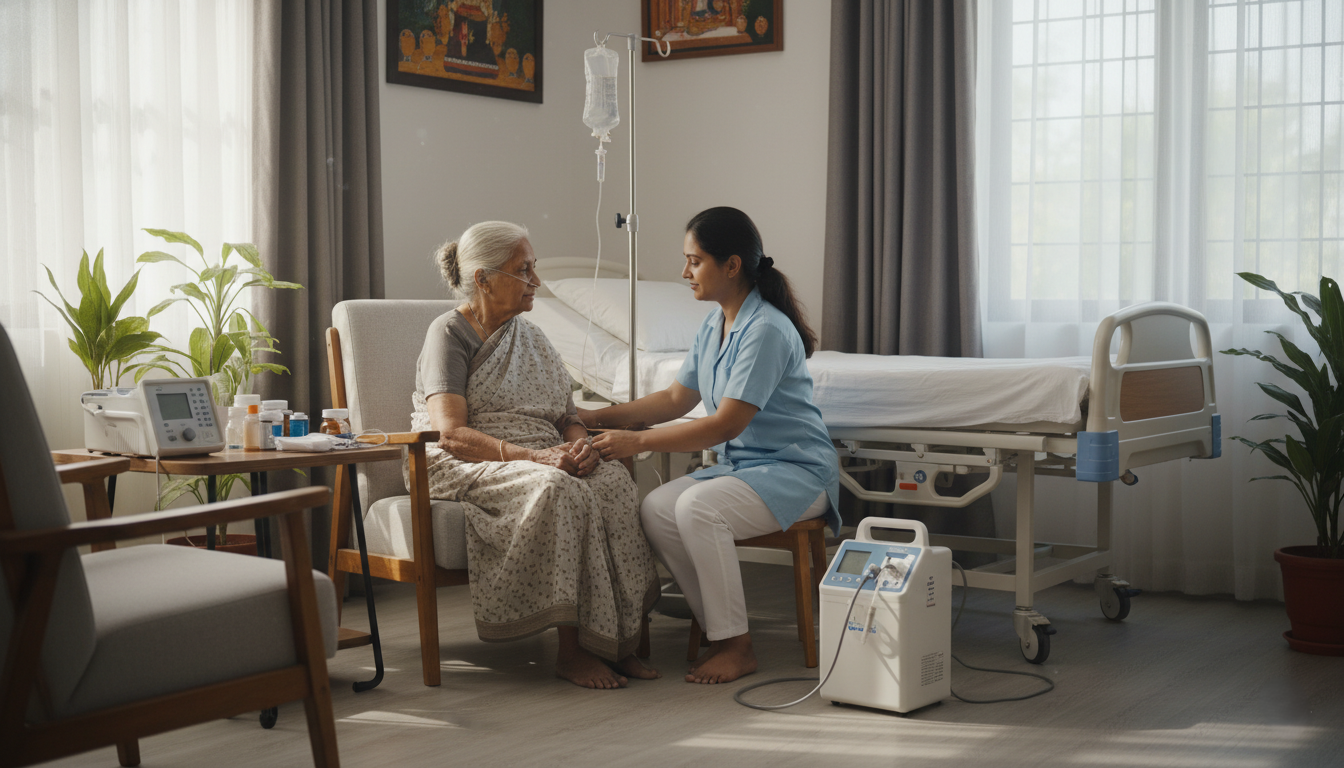
Best Home Health Equipment for Hospitals, Clinics & Home Medical Care
When it comes to healthcare, one thing is certain — the right medical equipment saves lives. Whether inside hospitals, running a clinic, or caring for a patient at home, quality equipment ensures accurate diagnosis, effective treatment, and safe recovery.
In today’s world, where home-based healthcare is increasing rapidly, the demand for home health equipment and reliable medical device suppliers, medical device distributors, and hospital supply companies has grown more than ever. Whether you want to set up a patient room at home, upgrade your clinic, or buy devices for a hospital, this complete guide will help you make informed decisions.
What Is Home Health Equipment?
Home health equipment refers to medical devices designed for home use, helping patients receive continuous care without frequent hospital visits. These devices support monitoring, mobility, respiratory care, diagnostics, and emergency response.
From a simple thermometer to advanced oxygen concentrators, home health equipment fills the gap between hospital treatment and everyday care.
Why Quality Medical Devices Matter
High-quality medical equipment ensures:
Accurate and reliable readings
Patient safety and comfort
Reduced hospital visits
Early detection of health problems
Faster recovery at home
This is why hospitals, clinics, and home caregivers prefer certified devices from trusted medical device distributors and hospital supply companies.
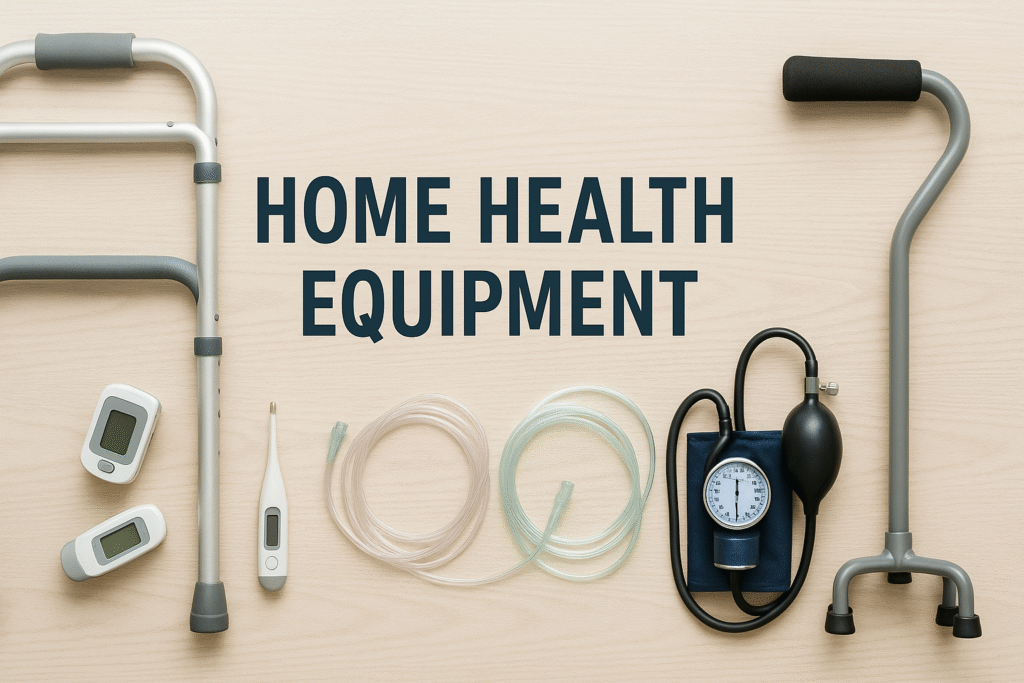
Essential Medical Equipment for Hospitals
Diagnostic Devices
ECG Machines
Ultrasound
X-Ray Machines
Accurate diagnosis is the backbone of medical science and it starts with well-maintained diagnostic equipment.
Monitoring Systems
Patient Multipara Monitors
Fetal Monitors
Pulse Oximeters
Hospitals depend heavily on continuous monitoring to observe heart rate, oxygen levels, and vital signs.
Respiratory Equipment
Oxygen Concentrators
Nebulizers
Ventilators
Suction Machines
High-quality respiratory devices ensure patient survival during critical conditions.
Surgical & Emergency Equipment
Defibrillators
Infusion Pumps
First-aid Carts
Surgical Instruments
Emergency preparedness saves countless lives.
Hospital vs. Home Health Equipment — What’s the Difference?
| Feature | Hospital Equipment | Home Health Equipment |
|---|---|---|
| Durability | Heavy-duty | Lightweight & portable |
| Usage | Continuous & high-volume | Low-to-moderate |
| Price | Higher | Economical |
| Maintenance | Professional | User-friendly |
How to Choose the Right Home Health Equipment
Certification
Look for:
CE Mark
ISO Certification
FDA Approval
BIS Certification
Certified equipment ensures accuracy and safety.
Warranty & After-Sales Service
Never buy equipment without:
Warranty
Easy replacement
Service availability
Choose reputed medical device suppliers who offer long-term support.
Brand Credibility
Avoid unknown brands with no customer reviews or product testing.
Usage Requirements
Understand:
The patient’s condition
The doctor’s recommendations
How often the device will be used
Conclusion
The world of healthcare is changing rapidly, and having the right equipment — whether for hospitals, clinics, or home medical care — is more important than ever. Quality medical devices help ensure accurate diagnosis, effective treatment, and safe recovery.
Whether you want to buy medical devices for your clinic, source equipment from a medical device supplier, or look for a hospital supply company, choosing certified, reliable, and durable equipment will always give the best results. That’s exactly where Home Medix becomes your trusted partner, offering safe, high-quality, and dependable medical equipment for every need.
Home health equipment empowers families, reduces hospital visits, and offers comfort and safety. With Home Medix, investing in the right devices today can make a life-changing difference tomorrow.
FAQs
1. What are the essential home health equipment items I should have?
Every family should have a thermometer, pulse oximeter, glucometer, BP monitor, and a first-aid kit. Households with elderly members may need wheelchairs, walkers, or oxygen support devices. The right equipment depends on health conditions and doctor recommendations.
2. Where can I buy medical devices safely?
Always buy from certified medical device suppliers, authorized medical device distributors, or reputed medical equipment websites. Check product certification, warranty, and return policy before purchasing.
3. What equipment is needed for home medical care for seniors?
This depends on the health condition, but common devices include mobility support (wheelchairs, walkers), respiratory care equipment (oxygen concentrators, nebulizers), monitoring devices, and emergency medical kits.
4. How often should I maintain or service medical equipment?
Basic devices like glucometers or BP monitors require routine cleaning and battery checks. Complex equipment like oxygen concentrators, suction machines, or monitors need servicing every 6–12 months.
5. What is the difference between hospital equipment and home-use equipment?
Hospital devices are more durable, high-capacity, and expensive, designed for continuous use. Home-use equipment is portable, economical, and easier to operate.