
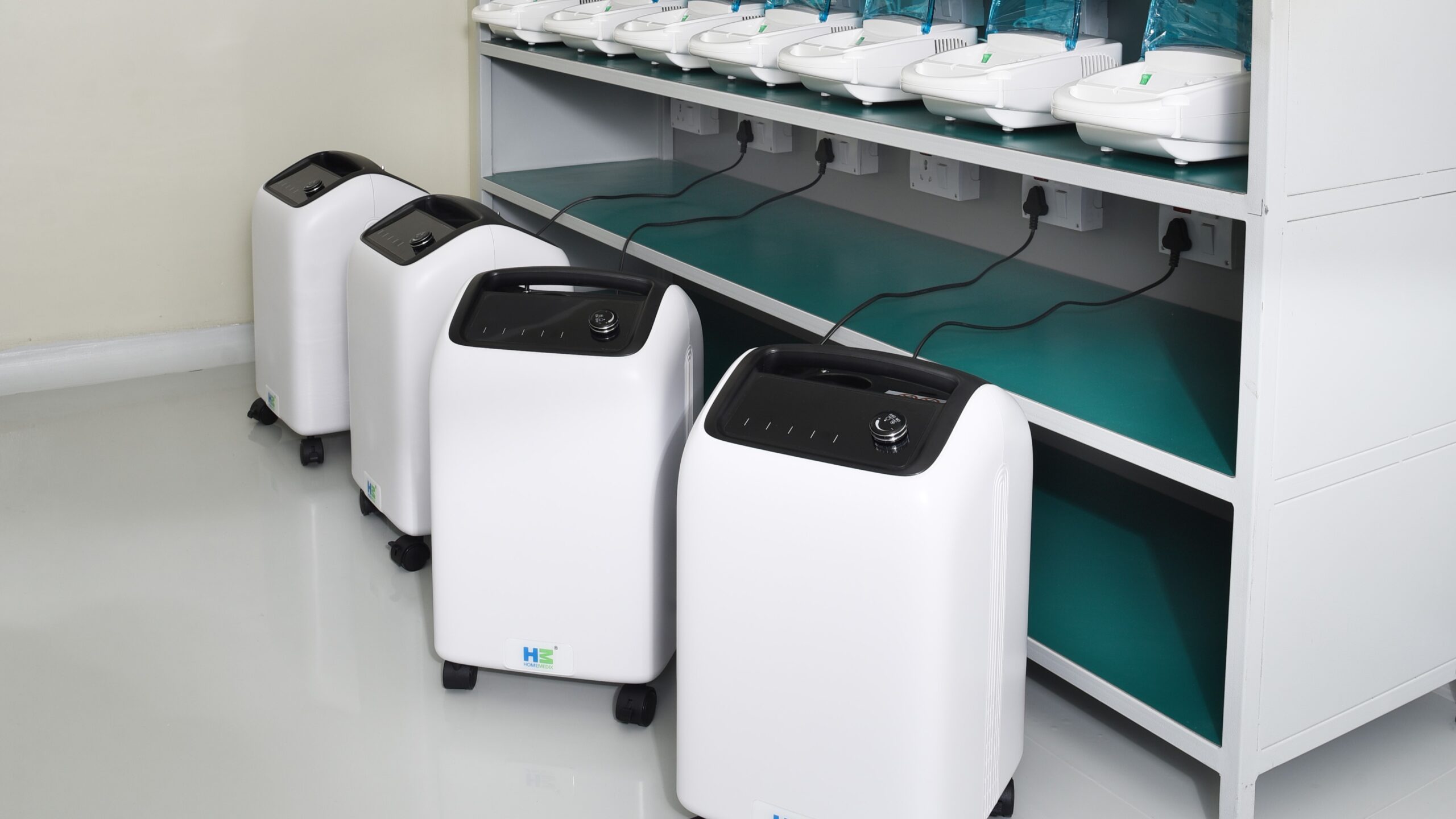
Top Healthcare Equipment Manufacturers for Hospitals & Medical Providers
When the safety and healthcare quality of people is on the line, choosing the right healthcare equipment manufacturers becomes a mission-critical decision. Whether you are a hospital, clinic, medical practitioner, government buyer, or distributor—reliable medical devices save lives every single day.
This blog will guide you on how to select the right medical equipment manufacturer, which devices are essential, what certifications to check, and how procurement works across the healthcare industry.
Let’s make smarter buying decisions for better patient care.
What Do Healthcare Equipment Manufacturers Do?
Healthcare equipment manufacturers design, develop, produce, and supply medical devices that help diagnose, treat, and monitor patients. Their products range from basic stethoscopes to advanced MRI machines. They must ensure:
International medical safety standards
Accuracy and reliability
Sterility and quality control
After-sales support and calibration
Types of Medical Devices Required by Hospitals
From emergency care to ICU support, hospitals depend on multiple categories of medical devices.
Diagnostic Equipment
Used to detect diseases easily and early.
Examples:
- X-ray machines
- Ultrasound systems
- ECG monitors
- Diagnostic imaging devices
Surgical Instruments
Precision tools required for operating rooms.
Examples:
- Scalpels
- Forceps
- Surgical scissors
- Laparoscopy tools
Critical Care & ICU Devices
Life-support systems for emergency cases.
Examples:
- Ventilators
- Hospital beds
- Infusion pumps
- Defibrillators
Patient Monitoring Systems
Used to track vital signs continuously.
- Pulse oximeters
- Blood pressure monitors
- Cardiac monitors
Healthcare equipment manufacturers must provide all or many of these categories with certified performance.
Medical Devices for Doctors & Clinics
Common clinic requirements
- Stethoscopes
- Digital thermometers
- ENT diagnostic sets
- Gynecology and dental tools
Doctors need:
✔ Compact and portable equipment
✔ Affordable pricing
✔ Low maintenance devices
Medical manufacturers offer clinic packages
Government & Regulatory Bodies in Healthcare Procurement
Government health departments purchase medical devices through tenders for:
- Public hospitals
- Medical colleges
- Emergency health programs
- Rural healthcare development
- Regulators ensure:
- Licensing & legal approvals
- Sterilization & safety standards
- Risk classification and recalls
- Government buyers must always verify manufacturer compliance before approval.
Certifications Required for Healthcare Equipment Manufacturers
To ensure quality and patient safety, check for these approvals:
| Certification | Region | Purpose |
|---|---|---|
| ISO 13485 | Global | Medical device quality management |
| CE Mark | Europe | Device safety compliance |
| US-FDA | USA | High-risk medical device approval |
| CDSCO License | India | Local regulatory medical safety |
How Hospitals Choose the Right Medical Device Supplier
Is the company certified and experienced?
How advanced is their technology?
Do they provide installation & training?
Are spare parts and consumables easily available?
Do they offer on-site warranty and AMC (Annual Maintenance Contract)?
Does the delivery time match your project timeline?
Cost & Warranty for Hospital Procurement
Buying healthcare equipment is an investment—consider long-term value, not just pricing.
Factors that affect pricing:
- Product grade (basic vs. premium)
- Brand trust
- Customization requirements
- Import duties for foreign equipment
Always negotiate:
✔ Extended warranty
✔ Free installation
✔ Training for staff
✔ Service availability
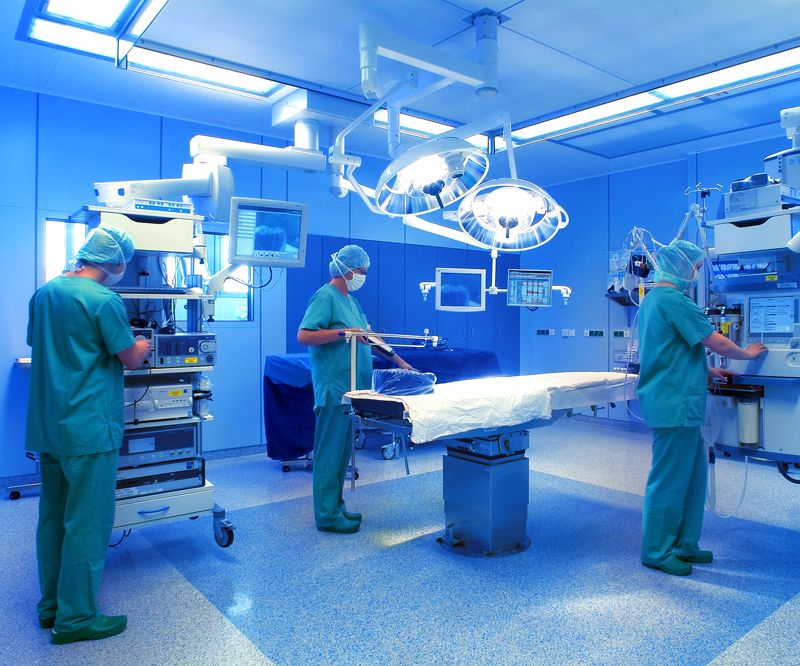
Future Trends in Healthcare Equipment Manufacturing
- AI-based diagnosis tools
- Remote patient monitoring (RPM)
- Compact and portable ICUs
- Minimal invasive surgery robots
- Smart wearable biomedical sensors
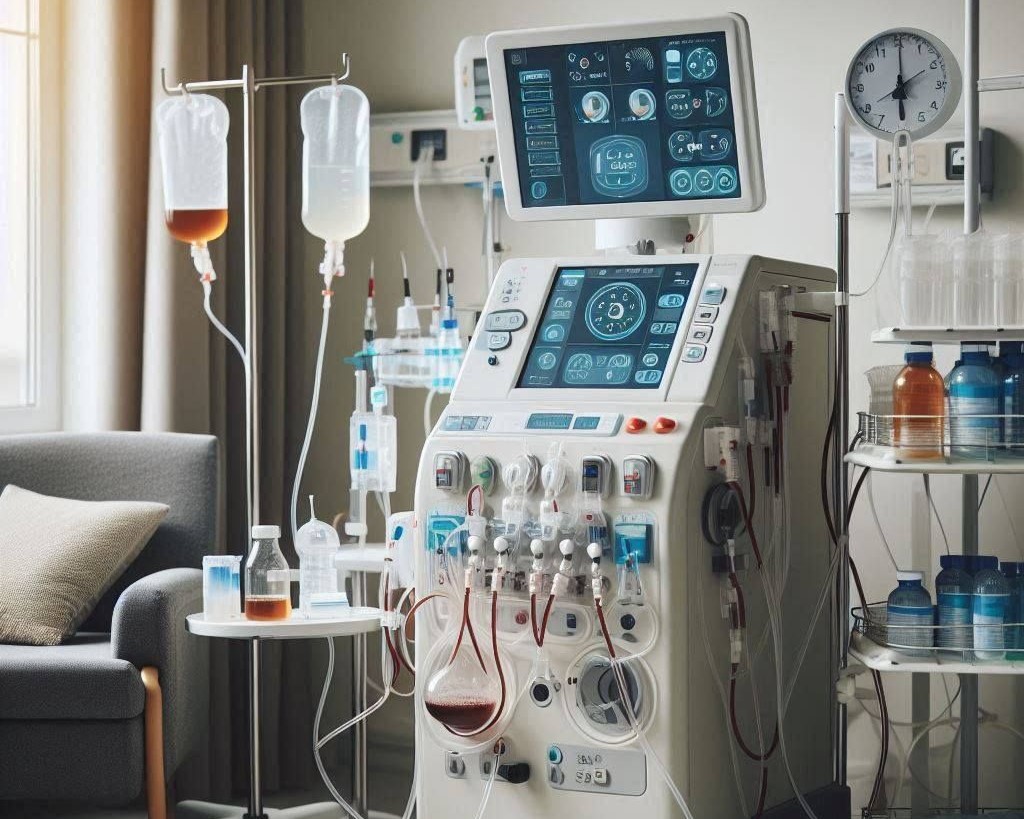
How to Verify Manufacturer Credibility
- They provide factory visits or virtual
- They have global presence / certifications
- Hospitals already use their devices
- They maintain patient safety track record
- They have expert engineering support
Buying by Audience Target
Let’s simplify decision-making according to buyer type:
| Buyer Type | Priority Needs |
|---|---|
| Hospitals & Healthcare Providers | Advanced tech, bulk pricing, fast support |
| Doctors & Clinics | Portable devices, affordability |
| Distributors | Storage, shipment support, brand authorization |
| Government Buyers | Regulation, durability, certifications |
Why Choosing the Right Manufacturer Matters
🛡️ Better quality = safer patients
💸 Durable products = lower lifetime cost
⚙️ Strong support = reduced downtime
📈 Updated technology = improved healthcare performance
Conclusion
Healthcare equipment manufacturers are the backbone of global medical systems. Their devices help save millions of lives — from routine checkups to emergency operations. By choosing certified, reliable, and experienced manufacturers, hospitals and clinics can deliver world-class care with confidence.
Whether you are a medical professional, distributor, or government health buyer — use the checklists and insights in this guide to ensure safe and smart procurement.
FAQs
Q1: What should hospitals check before buying medical equipment?
Ensure certification, patient safety features, warranty, durability, and fast local technical support.
Q2: Why select certified healthcare equipment manufacturers?
Certifications guarantee medical safety, quality compliance, and accurate performance in hospitals.
Q3: How do medical distributors support buyers?
They provide bulk supply, regional after-sales support, inventory availability, and product training.
Q4: Which devices are essential for healthcare facilities?
Diagnostic tools, ICU machines, surgical instruments, and patient monitoring equipment.
Q5: How do governments approve medical suppliers?
Through audits, licensing verification, clinical safety checks, and tender eligibility compliance.