
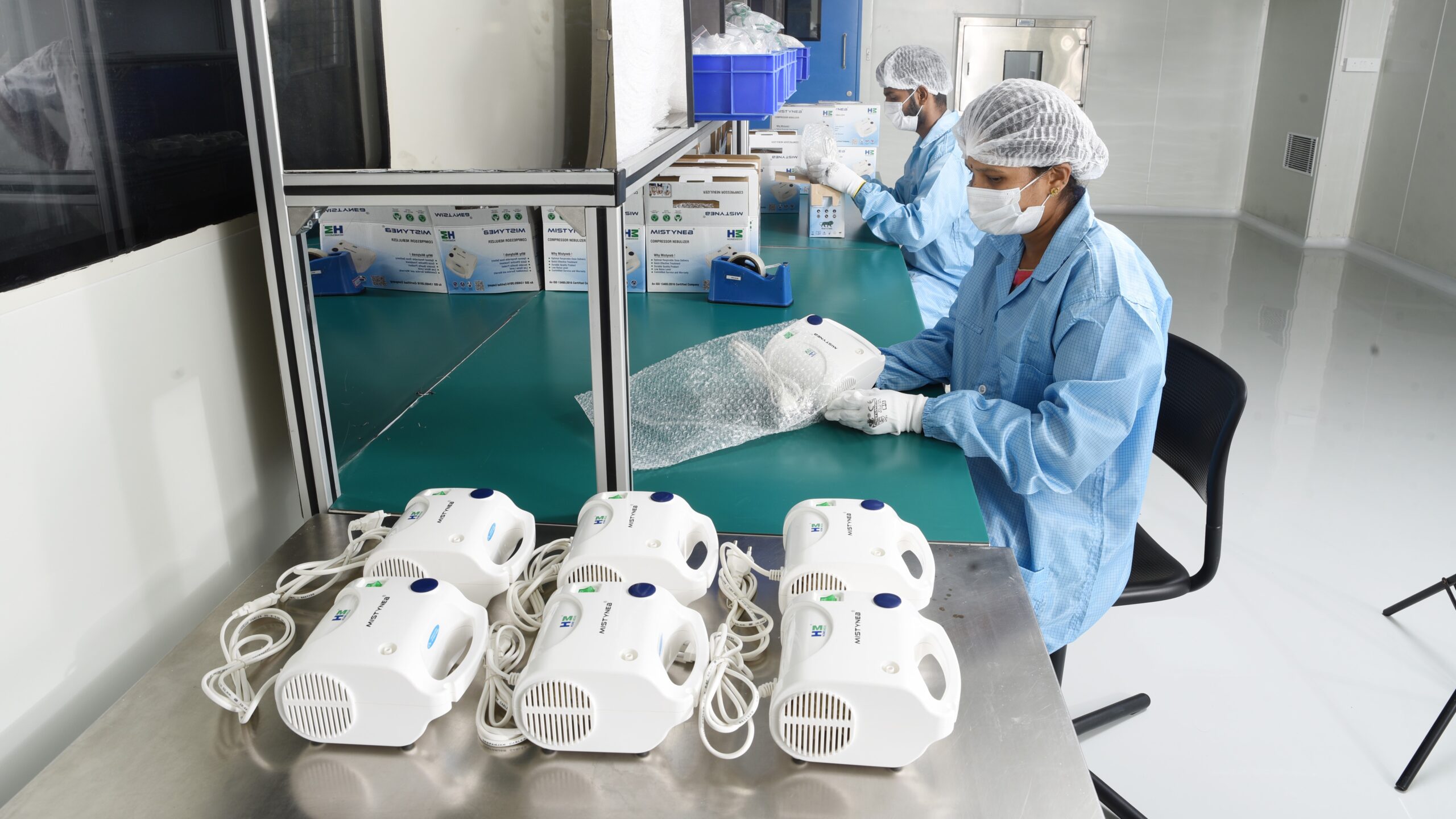
Medical Equipment Suppliers Trusted Partner for Healthcare Buyers
Healthcare facilities depend on accuracy, reliability, and timely care — but none of that is possible without the right equipment at the right time. Medical equipment suppliers bridge this crucial gap by delivering everything from ICU ventilators and diagnostic machines to homecare devices like oxygen concentrators and glucometers.
If you manage a hospital, a diagnostic center, a clinic, or even a home healthcare agency — choosing the right medical product supplier becomes a life-impacting decision.
Why Choosing the Right Medical Equipment Suppliers Is Critical
Reliable suppliers ensure:
- Compliance with healthcare regulations
- Zero compromise in patient safety
- Faster diagnosis + better treatment outcomes
- Reduced downtime and repair delays
- Scalable sourcing as your facility grows
The supplier you trust becomes a long-term partner for patient well-being.
Types of Healthcare Institutions That Need Medical Equipment Suppliers
| Facility Type | Needs | Priority |
|---|---|---|
| Hospitals | ICU devices, OT instruments, critical care systems | Safety, after-sales support |
| Clinics | Basic diagnostics + patient monitoring | Pricing, quick delivery |
| Diagnostic Centers | Imaging + lab analyzers | Calibration & accuracy |
| Home Healthcare Agencies | Mobility + respiratory devices | Ease of use & maintenance |
| Gov. Health Departments & NGOs | Bulk procurement | Budget transparency |
What Makes a Medical Equipment Supplier “Reliable”?
Look for:
Certifications — ISO, CE mark, regulatory compliance
Warranty, service, and spare-part availability
Transparent documentation
Training for medical professionals
Experience with similar institutions
Popular Categories of Medical Products Supplied
| Category | Example Equipment |
|---|---|
| Critical Care | Ventilators, monitors, defibrillators |
| Imaging & Diagnostics | ECG, X-ray, ultrasound, CBC analyzers |
| Patient Mobility | Stretchers, wheelchairs, hospital beds |
| Surgical & OT Supplies | Instruments, sterilizers, OT lights |
| Home Healthcare | Nebulizers, BP monitors, oxygen systems |
How to Select the Best Medical Equipment Suppliers for Hospitals and Clinics
- Define exact equipment needs
- Shortlist certified suppliers
- Compare pricing + warranty + delivery time
- Ask for technical demo or sample (if applicable)
- Verify past client reviews
- Ensure after-sales service center is nearby
Medical Equipment Manufacturers vs Distributors: Which is Better?
| Supplier Type | Pros | Cons | Best For |
|---|---|---|---|
| Manufacturers | Strong quality control, latest models | Longer lead times | Corporate hospitals |
| Distributors | Budget flexibility, faster delivery | Mixed brand quality | Clinics, mid-sized centers |
| Resellers | Convenience, quick replacements | Limited warranties | Home care providers |
Key Questions to Ask Before You Sign a Deal
- Are the devices NABH / FDA / ISO compliant?
- What are the warranty terms? How many years?
- Do you provide staff training and installation?
- Spare parts available for minimum 5–8 years?
- What is your breakdown response time?
Case Example: Diagnostic Center Upgrade Success
| Before | After |
|---|---|
| 8–10 hours downtime monthly | < 1 hour |
| Accuracy complaints from doctors | Zero issues |
| No calibration support | Full support under AMC |
How Pricing Works: Why Cheapest Isn’t Always Best
| Cost Component | Low-cost Supplier | Certified Supplier |
|---|---|---|
| Purchase | Low | Medium |
| Repairs & Spares | High | Low |
| Downtime Cost | Very High | Minimal |
| Audit/Legal Risk | Very High | Zero |
Trusted Medical Equipment Suppliers
Choosing trusted medical equipment suppliers is one of the most important strategic decisions in healthcare. The right partner offers:
Quality & safety compliance
Affordable procurement + long-term savings
Quick delivery + expert support
Accurate patient diagnosis & uninterrupted workflows
Importance of Training & Maintenance Support
Many failures occur not due to defect — but improper use.
Good suppliers offer:
- On-site demo & technician training
- Regular calibration visits
- Preventive maintenance.
- Spare parts stock guarantee
When healthcare staff feel confident in their skills and decisions, they work more accurately and efficiently.
As a result, patients receive safer, higher-quality care with fewer errors and better outcomes.
Checklist Before Finalizing a Supplier
| Requirement | Status |
|---|---|
| Compliance Certificates Verified | ☑ |
| Warranty Written Clearly | ☑ |
| Spare Parts Availability Written | ☑ |
| Delivery Time Confirmed | ☑ |
| Service Center Location Verified | ☑ |
| Client References Checked | ☑ |
FAQs
1. What should hospitals check before buying equipment?
Verify certifications, warranty, service availability, and compliance with national standards.
2. Can small clinics access reliable medical product suppliers?
Yes — many distributors offer affordable packages for low-volume buyers.
3. What are the fastest-moving medical products for diagnostics?
Ultrasound machines, CBC analyzers, ECG, and patient monitors.
4. How soon should suppliers respond to breakdowns?
Ideally within 24–48 hours for critical devices.
5. Do suppliers train nurses and technicians?
Certified suppliers provide operational training and maintenance guidance.